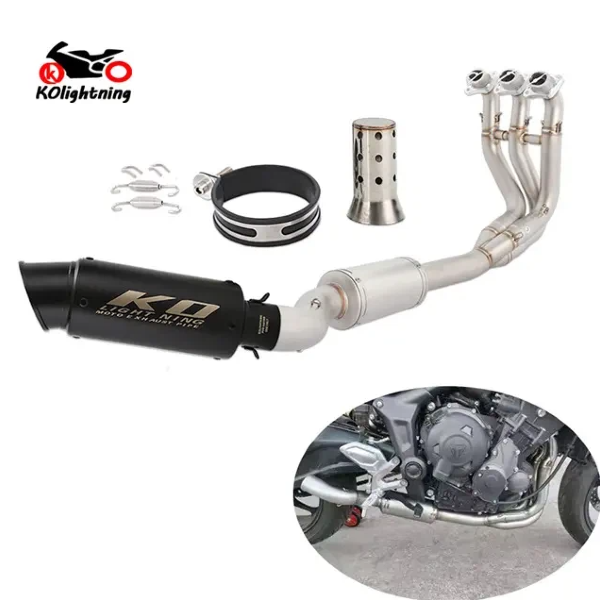
Price is often the point where interest turns into hesitation. One rider sees a kawasaki exhaust system listed at a relatively low price, while another option for the same brand of bike costs far more, even though both are described as performance upgrades. That gap can feel confusing if you are buying for the first time. KOlightning, a company focused on motorcycle exhaust products since 2015, works with riders who want more than a price tag. They want to know what makes one system affordable, why another costs more, and which option actually fits their budget and riding goals.
Why Is the Price Range So Wide?
The biggest reason is simple. Not every Kawasaki exhaust product is the same type of upgrade. One listing may be a link pipe or a rear section change, another may be a slip on exhaust, and another may be a full system that replaces most of the factory setup. These are not equal products, so they should not be expected to sit in the same price range.
Material also changes price very quickly. A product built from basic metal and simpler finishing will usually cost less than one made with 304 stainless steel, carbon fiber, titanium, or more refined weld quality. Buyers are not just paying for appearance. They are paying for durability, heat resistance, weight reduction, finish quality, and long-term use.
Fitment is another major factor. A system designed for a specific Kawasaki model usually gives buyers more confidence than a generic-looking option with vague compatibility. Better engineering, cleaner installation, and a more complete design all add value. Brand positioning matters too, but buyers should look past the label and ask what they are truly getting for the money.
What Do Buyers Usually Pay for Each Type of System?
Budget-friendly upgrade range
The lower end of the market usually includes simpler rear-section upgrades, link-pipe combinations, and entry-level slip on exhaust options. This range appeals to riders who mainly want a better look and a stronger sound without replacing the full stock exhaust path.
For many street riders, this kind of spending makes sense. The bike can look sportier, sound more satisfying, and lose some unnecessary visual weight without turning the upgrade into a major project. Buyers in this range are usually not trying to rebuild the bike’s entire character. They just want a noticeable improvement at a manageable cost.
Mid-range choices
The mid-range is where many value-focused buyers spend the most time comparing options. Products in this tier usually offer better material quality, cleaner finish work, stronger welds, and more confidence in fitment. This is often the sweet spot for riders who want more than the cheapest solution but do not want to move straight into the highest full-system budgets.
A mid-range product often feels more complete. The design looks more refined, the materials hold up better, and the overall result feels more worth the money over time. Riders who care about everyday satisfaction usually find this range attractive because it balances visible improvement with practical cost control.
Higher-end full system territory
At the higher end, full systems cost more because they replace much more of the stock exhaust route. Instead of only changing the rear section, they often include headers, mid-pipe sections, and a fuller redesign of the system. That broader scope means more material, more engineering, and a larger effect on flow, weight, and overall ride feel.
This is also the range where extra costs can start appearing more often. Some riders add tuning support, professional installation, or other matching upgrades to get the best result. The system itself is only part of the final budget, so buyers should think beyond the product price alone.
Kawasaki Exhaust System Cost by Upgrade Level
Upgrade Level | What You Get | Typical Budget Direction | Best For | Extra Costs to Expect |
Entry-Level Upgrade | Link pipe or simpler rear-section change | Lower | Riders who want better sound and style | Basic installation parts |
Slip-On Upgrade | Muffler-focused replacement | Lower to mid-range | Daily riders and first-time buyers | Shipping and simple fitting costs |
Mid-Range System | Better materials and cleaner finish | Mid-range | Value-focused buyers | Possible clamps or gaskets |
Full Exhaust System | Broader replacement of the stock route | Higher | Riders seeking a more complete change | Installation and possible tuning |
")
What Exactly Are You Paying For?
Material and build quality
Material is one of the clearest reasons prices change. Stainless steel, carbon fiber, titanium, and aluminum alloy do not behave the same way in heat, weather, or daily road use. Better materials usually improve durability, help reduce weight, and give the product a more refined appearance. They also cost more to source and work with.
Build quality matters just as much. Stronger welds, better finishing, and cleaner assembly usually translate into a better long-term experience. A low-priced exhaust may still work, but the difference often shows up later in surface wear, weaker fit, or a less polished result. KOlightning focuses on materials such as stainless steel, carbon fiber, titanium, and aluminum alloy because buyers are not only paying for the first impression. They are paying for how the product performs and looks after regular use.
Fitment and engineering
A properly engineered system usually costs more than a simple universal-looking part, and for good reason. A product designed to fit a specific Kawasaki model is easier to install correctly, less likely to sit awkwardly, and more likely to deliver the result the buyer expects. Good fitment improves the final look of the bike and reduces the risk of stress, leakage, or alignment issues.
Engineering also affects how the system feels on the road. A better-designed product may offer a cleaner flow path, a better balance between sound and daily usability, and a more complete upgrade experience. That does not mean every expensive part is automatically better, but it does mean fitment and design are worth paying attention to.
Brand, design, and support
Some of the price also reflects product range, design consistency, and the level of support behind the product. Buyers are not simply paying for a name. They may be paying for better finishing standards, stronger product development, or a clearer selection of options that match different riding goals.
This matters most when the buyer wants to avoid trial and error. A product that is well presented, properly specified, and supported by an experienced company often saves time and reduces mistakes. Price should still be judged carefully, but support and product clarity do have real value.
What Other Costs Should Riders Plan For?
The listed product price is not always the full cost of the upgrade. Shipping can affect the final number, especially for larger or heavier systems. Installation is another factor. Some riders are comfortable fitting a slip on exhaust by themselves, while others prefer professional help for a cleaner result.
Small parts can add up too. Clamps, gaskets, and related fittings may be needed depending on the bike and the condition of the original system. These items are not always expensive, but they should still be part of the budget plan.
For more performance-focused setups, tuning or ECU-related work may also enter the picture. Not every rider needs it, and not every upgrade requires it, but buyers considering a full system should think about the total ownership cost rather than the catalog price alone. This is one of the most practical ways to avoid overspending.
How Can You Choose the Right Exhaust Without Overspending?
The best way is to match the product to the real goal. If the rider mainly wants a deeper sound and a cleaner look, a simpler upgrade may be enough. Spending more only makes sense when the extra cost supports something the rider will actually notice and value.
If the goal is broader than sound alone, then mid-range or full-system options may be more worthwhile. Riders looking for lighter construction, stronger material quality, and a more complete change in the bike’s feel often benefit from moving beyond the lowest price tier. The key is to avoid paying for extremes that do not match the way the bike is used.
Value-focused buyers often do best when they compare system type, material, fitment, and likely extra costs side by side. KOlightning sits well in that conversation because the brand focuses on performance-oriented design and stronger materials without forcing every buyer into the highest-budget category. That gives customers room to choose based on purpose rather than just headline price.
Conclusion
The pricing logic becomes much easier once the choices are clear. The right kawasaki exhaust system is not simply the cheapest option on the page or the most expensive product in the range. It is the one that matches the rider’s real target, whether that means a sound upgrade, a cleaner look, reduced weight, or a more complete replacement of the factory setup. KOlightning helps buyers compare those paths with a more practical view of materials, fitment, and total cost, so the purchase feels justified long after installation. If you are reviewing options for your bike, compare the full budget before you buy and contact us to find the right motorcycle exhaust system for your Kawasaki.
FAQ
Is a slip on exhaust usually the cheapest upgrade option?
In many cases, yes. A slip on exhaust is often one of the more affordable ways to improve sound and appearance without replacing the full stock system.
Why does one Kawasaki exhaust system cost much more than another?
The difference usually comes from system type, material, fitment quality, finish, and whether the product is a simple rear-section change or a full system.
Should I budget for more than the product price?
Yes. Shipping, installation, clamps, gaskets, and possible tuning costs can all affect the final amount you spend.
Is the most expensive exhaust always the best choice?
No. The best choice depends on what the rider actually wants from the upgrade. A lower-cost option can be the smarter buy if the goal is only sound and style rather than a full performance-focused change.