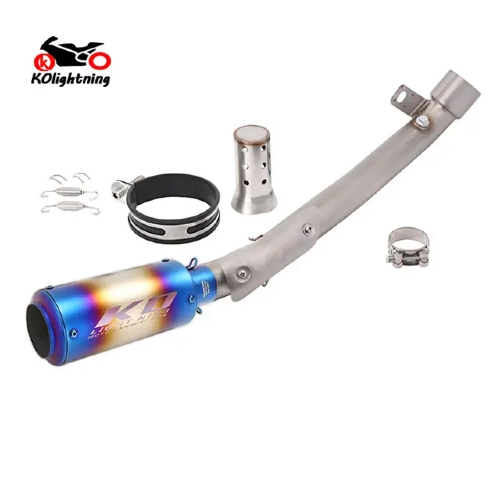
1. Understanding the DB Killer
A DB Killer, also referred to as a baffle or silencer insert, is a critical component of a motorcycle’s exhaust system designed to reduce noise output. While many riders are drawn to the idea of removing it for a louder, more aggressive exhaust sound, the legality and consequences of doing so are far more complex. This article will explore the functionality of a DB Killer, its impact on performance, legal considerations, alternatives, common misconceptions, and guide riders to make informed decisions.
Motorcycles without DB Killers can produce significantly higher decibel levels, which may violate local noise ordinances and environmental regulations. Riders should understand that while a louder exhaust may enhance the auditory appeal of a bike, it could also pose safety, legal, and mechanical risks. It is also important to note that the DB Killer does not just control sound; it contributes to the proper functioning of the exhaust system by managing backpressure and gas flow. Removing it can create imbalances in the system that may affect engine efficiency and the overall riding experience, especially for street-legal motorcycles where maintaining compliance is crucial.
2. How a DB Killer Works
Functionality of a DB Killer
A DB Killer works by restricting and redirecting the flow of exhaust gases through a series of perforations or chambers, which reduces noise before it exits the exhaust pipe. Its primary purpose is not to limit engine performance but to maintain compliance with noise regulations. The DB Killer essentially acts as a sound dampener by dispersing energy from the exhaust gases and converting some of it into heat, thereby decreasing the intensity of sound waves emitted from the tailpipe.
When the DB Killer is removed, the exhaust gases flow more freely, which significantly increases the sound level. The removal also changes the acoustic characteristics of the exhaust system, resulting in a louder and sharper sound profile. While some riders prefer this for aesthetic or auditory reasons, the impact on the overall exhaust dynamics cannot be ignored. The DB Killer also plays a minor role in controlling turbulence within the exhaust system, which can influence backpressure levels and, consequently, engine efficiency.
Impact on Motorcycle Performance
Modification | Noise Level | Backpressure | Performance Effect |
Stock Exhaust with DB Killer | Medium | Optimal | Balanced torque and power |
Stock Exhaust without DB Killer | High | Reduced | Slight high-RPM gain, low-RPM loss |
Aftermarket Exhaust without DB Killer | Very High | Variable | Requires tuning to maintain engine efficiency |
As illustrated in the table above, the removal of a DB Killer primarily affects noise output but also introduces mechanical changes. Backpressure is a critical factor for engine performance, influencing torque delivery and combustion efficiency. Without a DB Killer, exhaust gases escape more rapidly, which can alter the pressure wave interactions within the engine. This may slightly improve high-RPM performance, but the low-RPM torque, which is important for smooth acceleration and daily riding, can be negatively affected. Therefore, the decision to remove a DB Killer should consider both auditory preferences and potential mechanical implications.
3. Legal Considerations of Removing DB Killer
United States
In the United States, motorcycle noise regulations differ from state to state. Most states prohibit modifications that increase noise beyond the manufacturer’s specifications. For instance, California enforces strict limits under Vehicle Code Section 27151, which ensures that motorcycles comply with sound level restrictions. Failing to comply can result in fines, impoundment of the vehicle, or mandatory restoration of the original exhaust system. These laws are designed to minimize noise pollution and protect public health, particularly in densely populated areas.
Moreover, law enforcement agencies are increasingly equipped with decibel meters, making it easier to detect and penalize non-compliant motorcycles. Riders must understand that noise violations are not only about aesthetics or comfort but also about adherence to legal standards that protect communities and environments. Ignoring these regulations can have long-term consequences, including potential legal action.
European Union
The European Union enforces strict noise and emission standards for motorcycles. Regulations dictate that motorcycles must maintain their DB Killers in place and functioning. Removal of this component can lead to penalties, failed inspections, and potential voiding of insurance coverage. The EU emphasizes that even minor modifications to the exhaust system can significantly affect the acoustic and environmental profile of motorcycles, making compliance essential for legal street use. While racing or off-road motorcycles may have certain exemptions, all street-legal motorcycles are required to follow these regulations to ensure public safety and environmental responsibility.
Asia and Other Regions
In many Asian countries, including Japan, South Korea, and the Philippines, noise level restrictions are strictly enforced. Removing a DB Killer may result in exceeding the permissible decibel levels, which can lead to fines or mandates to restore the original exhaust system. These regulations aim to control urban noise pollution and maintain safe and acceptable sound levels in populated areas. Riders in these regions must prioritize compliance, as enforcement mechanisms are becoming increasingly effective and widespread.
Key Takeaway: Before removing a DB Killer, riders must review and understand local noise and emissions laws. The regulatory landscape is strict, and non-compliance can have both legal and financial repercussions. Ensuring compliance is not only about avoiding fines but also about maintaining a responsible riding practice.
4. Performance Impacts of DB Killer Removal
Engine Tuning and Backpressure
Removing the DB Killer can significantly alter exhaust flow, decreasing backpressure and changing the dynamics of the engine. Backpressure is essential for controlling exhaust gas velocity and maintaining proper combustion. A reduction in backpressure can lead to higher engine RPM efficiency but may also reduce low-RPM torque, affecting acceleration and smooth riding in urban conditions. The balance between backpressure, sound levels, and engine efficiency is critical, and removing the DB Killer disrupts this balance.
Riders should also note that exhaust modifications can affect the air-fuel mixture, potentially leading to less efficient combustion. This can result in increased fuel consumption or incomplete combustion at certain speeds. While some high-RPM performance gains are possible, the trade-offs in terms of low-speed control, fuel efficiency, and engine longevity are important considerations.
Warranty and Compliance Issues
Motorcycle manufacturers design exhaust systems, including DB Killers, to comply with both performance and regulatory requirements. Removing or modifying these components can void warranties, as the manufacturer may no longer guarantee engine performance or safety. Additionally, motorcycles with altered exhaust systems may fail emissions testing, further complicating legal compliance and street legality. Maintaining manufacturer specifications ensures that the bike remains safe, efficient, and compliant with all applicable laws.
Noise Pollution and Community Impact
Excessive noise from motorcycles without DB Killers can lead to community complaints and contribute to environmental noise pollution. Persistent violations may result in stricter enforcement of noise regulations and could potentially impact the general perception of motorcycling communities. Responsible riding practices should consider not only personal preference but also the broader impact on neighborhoods and urban environments.
![DB Killer]()
5. Alternatives to Removing DB Killer
Adjustable or Removable DB Killers
Many aftermarket exhaust systems feature adjustable or removable DB Killers. These allow riders to fine-tune the noise output without fully removing the component. Adjustable DB Killers offer a balance between sound enhancement and regulatory compliance, ensuring that motorcycles remain street-legal while providing the desired auditory effect.
Certified Aftermarket Exhaust Systems
Several brands offer aftermarket exhaust systems specifically certified for street use without removing the DB Killer. These systems are designed to enhance the aesthetic and auditory appeal of motorcycles while remaining compliant with local noise and emission standards. By choosing certified systems, riders can enjoy improved sound and performance without risking legal penalties or warranty issues.
Option | Description | Legal Compliance | Sound Level |
Adjustable DB Killer | Allows partial restriction or adjustment | Compliant | Medium to high |
Certified Aftermarket Exhaust | Meets street-use standards | Compliant | Medium to high |
Racing Exhaust without DB Killer | Designed for track use only | Non-compliant on streets | Very high |
These alternatives provide a safer and legally sound option for riders who want to customize their motorcycle’s exhaust.
6. Common Misconceptions About DB Killer Removal
Myth: Performance Skyrockets Without a DB Killer
One common misconception is that removing the DB Killer dramatically increases horsepower and overall performance. In reality, most motorcycles experience only minor changes in engine output. The primary difference is in sound intensity and acoustic characteristics. Riders seeking genuine performance gains may need to explore engine tuning or other performance modifications rather than relying solely on DB Killer removal.
Myth: It’s Legal Everywhere
Another common misunderstanding is that DB Killer removal is a legal grey area. In most jurisdictions, the modification is explicitly prohibited for street-legal motorcycles. Enforcement is becoming stricter, and authorities have greater means to detect non-compliant bikes through decibel meters and inspections.
Myth: Insurance Isn’t Affected
Some riders believe that insurance coverage remains unaffected by exhaust modifications. However, removing a DB Killer can void insurance policies, as the motorcycle may no longer meet manufacturer specifications or legal requirements. This can result in denied claims after accidents or incidents, adding financial risk to legal and performance considerations.
7. Conclusion
Removing a DB Killer is more than just a mechanical modification; it involves legal, mechanical, and social considerations. Riders must carefully weigh the appeal of a louder exhaust against potential fines, warranty issues, and changes in engine performance. To make an informed decision, it is essential to understand the DB Killer’s function, local noise regulations, and its impact on motorcycle operation.
Aspect | Impact of Removing DB Killer |
Legal Compliance | Often illegal on streets |
Noise Levels | Significantly louder |
Engine Performance | Slight high-RPM gains, low-RPM loss |
Warranty | Potentially void |
Community | Increased complaints |
For riders seeking safe and compliant solutions, adjustable DB Killers or certified aftermarket exhaust systems are recommended. To explore high-quality products and professional guidance, you can contact BLUE STAR TRADING LIMITED for expert advice and reliable solutions tailored to your motorcycle needs.