Upgrading a motorcycle exhaust is often one of the first modifications riders consider. Among the many options available, the slip on motorcycle exhaust system stands out as a practical, cost-effective, and performance-oriented choice. It offers noticeable improvements in sound, appearance, and riding experience without the complexity or expense of a full exhaust replacement.
In this article, we explore the real benefits of a slip on motorcycle exhaust system, how it works, who it is best suited for, and why it has become a popular solution for both everyday riders and performance enthusiasts. From improved airflow to enhanced durability, a slip on exhaust delivers value that goes beyond aesthetics.
What Is a Slip On Motorcycle Exhaust System?
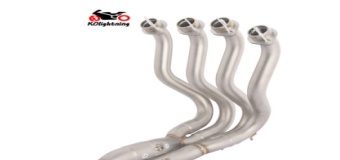
A slip on motorcycle exhaust system is a partial exhaust upgrade that replaces only the muffler section of the factory exhaust while retaining the original headers and mid-pipe (in most cases). As the name suggests, the new exhaust “slips on” to the existing exhaust pipe, making installation straightforward and less invasive.
Unlike full exhaust systems, which replace the entire exhaust assembly, slip on systems focus on improving the final stage of exhaust flow—where sound, back pressure, and heat dissipation play a critical role.
Key Components of a Slip On Exhaust
Muffler or silencer
Inlet pipe designed to match OEM dimensions
Mounting brackets and clamps
Optional dB killer or removable baffle
This design makes slip on exhaust systems a popular upgrade for riders seeking improved performance and sound without extensive modifications.
Benefit 1: Improved Exhaust Flow and Engine Response
One of the primary advantages of installing a slip-on motorcycle exhaust system is improved exhaust flow. While a slip-on doesn’t replace the entire exhaust route like a full system, it can meaningfully reduce restriction at the muffler section—often the most “bottlenecked” part of a stock setup.
Reduced Back Pressure
Stock exhaust systems are designed with strict noise and emissions regulations in mind. Manufacturers also prioritize broad compatibility, cost control, and long service life, which can lead to heavier construction and more conservative internal flow paths. As a result, factory mufflers may restrict how efficiently exhaust gases exit the engine—especially at higher RPM ranges where airflow demand increases.
A slip-on exhaust typically features a straighter internal design and smoother airflow path, helping exhaust gases exit more efficiently. Better flow can reduce pumping losses (the effort the engine spends pushing exhaust out), which may contribute to a more “free-breathing” feel during acceleration.
Better Throttle Response
With reduced back pressure, the engine can expel exhaust gases more effectively, allowing fresh air-fuel mixtures to enter the combustion chamber more smoothly. Riders often notice improvements that are more about feel than pure peak horsepower numbers. Common real-world changes include:
Quicker throttle response, especially when rolling on the throttle mid-corner or during overtakes
Smoother acceleration with less hesitation in the low-to-mid range
More responsive engine behavior during quick gear changes
While gains in horsepower may be modest compared to a full exhaust system (and can vary by bike model), the improved ride feel is often immediately noticeable in everyday riding conditions—such as stop-and-go commuting, highway merging, and spirited weekend runs.
A Practical Note on Tuning
Most modern motorcycles can adapt to small changes via their ECU, but the results depend on the bike, the slip-on design, and whether the system significantly alters flow. In many cases, a slip-on works well without tuning. However, if you notice popping on deceleration, a lean feel, or inconsistent throttle response, an ECU remap or fuel controller may help optimize performance and smoothness. Even when tuning isn’t “required,” it can be the difference between “sounds great” and “runs great.”
Benefit 2: Enhanced Exhaust Sound Without Excessive Noise
Sound is one of the most compelling reasons riders upgrade their exhaust—and a slip-on motorcycle exhaust system delivers a refined improvement without overwhelming volume. Instead of making the bike simply “louder,” many slip-ons aim for a more satisfying tone that better matches the engine character.
Deeper, More Aggressive Tone
Slip-on exhausts produce a deeper, richer sound compared to factory mufflers. The tone is often described as:
Sportier and more engaging
Deeper without being harsh or metallic
Clean and controlled at cruising speeds
This change comes from differences in internal packing, chamber design, and outlet geometry. A well-designed slip-on can reduce the “muted appliance” sound of a stock muffler and replace it with something more expressive—without turning every ride into a headache.
Customizable Sound Levels
Many slip-on systems include removable baffles or dB killers, allowing riders to adjust sound output based on personal preference or local regulations. This flexibility makes slip-on exhausts suitable for both daily commuting and weekend riding.
For example, you might run the baffle installed for long-distance touring or early-morning commutes, then remove it for track days or closed-course use (where legal). That kind of adjustability is a major reason slip-ons remain popular: you can tailor your bike’s personality without committing to a permanently loud setup.
Comfort and Courtesy Matter
A better exhaust note should enhance the riding experience—not create fatigue. Excessive drone at steady RPM can become tiring on longer rides, and overly loud systems can attract unwanted attention or create conflict in residential areas. A slip-on that balances tone and volume is often the best compromise: you gain presence and character while staying respectful and rideable.
Benefit 3: Lightweight Design and Improved Handling
Another major benefit of a slip on motorcycle exhaust system is weight reduction.
Reduced Overall Motorcycle Weight
Stock exhaust mufflers are typically made from heavy steel and designed for mass production. Slip on exhausts often use lighter materials such as:
Stainless steel
Aluminum alloys
Titanium
Carbon fiber
Reducing exhaust weight—especially high and rear-mounted weight—can improve handling and balance.
Better Ride Control
With less mass at the rear of the motorcycle, riders may experience:
This benefit is especially valuable for sport bikes and naked motorcycles where handling precision matters.
Benefit 4: Improved Heat Management and Durability
Heat management is an often-overlooked aspect of exhaust performance.
Lower Surface Temperatures
High-quality slip on exhaust systems are designed to dissipate heat more efficiently than stock mufflers. Advanced materials and internal airflow design help reduce excessive heat buildup.
Longer Service Life
A well-engineered slip on exhaust offers:
Better resistance to corrosion
Improved tolerance to thermal cycling
Reduced risk of cracking or fatigue
This makes slip on exhaust systems suitable for long-term use in varied riding conditions, including urban commuting and long-distance touring.

Benefit 5: Easy Installation and Cost-Effective Upgrade
One of the biggest advantages of a slip on motorcycle exhaust system is its simplicity.
Quick Installation
Most slip on exhausts can be installed with basic tools and minimal mechanical experience. The process typically takes less than an hour and does not require cutting or welding.
Lower Cost Than Full Systems
Compared to full exhaust replacements, slip on systems are significantly more affordable. They offer many of the sensory and functional benefits of a full system without the high cost or complex tuning requirements.
Slip On vs. Full Exhaust Systems
Feature | Slip On Exhaust | Full Exhaust |
Installation | Easy | Complex |
Cost | Lower | Higher |
Weight Reduction | Moderate | Significant |
Performance Gain | Mild to moderate | High |
ECU Tuning | Usually optional | Often required |
For riders seeking balanced improvement without major modifications, a slip on exhaust provides excellent value.
Who Should Choose a Slip On Motorcycle Exhaust System?
A slip on motorcycle exhaust system is ideal for:
Daily riders looking for improved sound and feel
New riders wanting a simple upgrade
Commuters seeking better durability and heat control
Enthusiasts upgrading in stages
It is especially popular among riders who want noticeable improvements without compromising reliability or warranty considerations.
Conclusion
A slip on motorcycle exhaust system is one of the most practical upgrades a rider can make. It enhances sound, improves throttle response, reduces weight, and elevates the overall riding experience—all without the complexity of a full exhaust replacement.
At www.kolightning.com, we focus on providing exhaust solutions that balance performance, durability, and value. Whether you are upgrading for sound, style, or efficiency, a well-designed slip on exhaust system offers a smart and accessible path forward. Feel free to reach out to learn more about selecting the right exhaust solution for your motorcycle and riding needs.
FAQs
1. Does a slip on motorcycle exhaust increase horsepower?
A slip on exhaust can provide small performance gains and improved throttle response, though gains are typically less than a full exhaust system.
2. Is ECU tuning required for a slip on exhaust?
In most cases, ECU tuning is not required, though tuning may optimize performance for certain models.
3. Will a slip on exhaust make my motorcycle too loud?
Most slip on exhaust systems are designed to enhance sound without excessive noise and often include removable baffles.
4. Is a slip on exhaust legal for street use?
Legality depends on local noise and emission regulations. Choosing a compliant exhaust design helps ensure street legality.