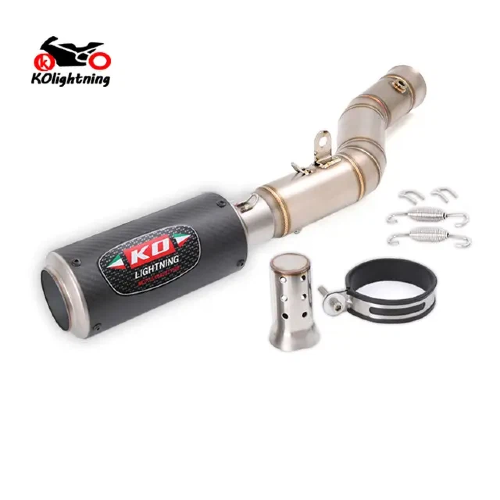
1. Understanding DB Killers and Global Noise Regulations
A DB Killer, also known as a baffle or silencer insert, is a crucial component of a motorcycle’s exhaust system. Its primary function is to reduce the noise produced by the exhaust gases, ensuring that the motorcycle complies with legal noise regulations. While some riders perceive DB Killers as limiting performance or sound, they are integral to maintaining the balance between engine efficiency, environmental responsibility, and legal compliance.
Motorcycle noise is not merely an aesthetic concern. Excessive sound levels can contribute to noise pollution, negatively impact public health, and disturb communities. Governments and transportation authorities worldwide have established stringent regulations to control vehicle noise, with legal limits varying by country and region. As motorcycles continue to evolve with higher performance and aftermarket modifications, the role of DB Killers becomes increasingly significant in maintaining compliance with these standards.
This article explores the function of DB Killers, their impact on motorcycle performance, and how they help riders meet noise regulations across different parts of the world. Additionally, we examine alternatives and technological innovations that preserve performance without violating the law.
2. How DB Killers Function
Functionality of a DB Killer
A DB Killer works by restricting and redirecting the flow of exhaust gases through a series of perforations, chambers, or sound-absorbing materials inside the exhaust pipe. This structure reduces sound wave intensity before the gases exit the tailpipe, effectively lowering decibel levels. DB Killers act as acoustic dampers rather than performance limiters; they are designed to minimize noise without significantly compromising engine output.
The internal design of a DB Killer creates turbulence and partially absorbs the kinetic energy of the exhaust gases, converting it into heat and reducing the noise generated by the combustion process. This process also helps maintain proper backpressure, which is essential for smooth engine operation and torque delivery, particularly at low to mid-range RPMs.
Interaction with Exhaust Systems
DB Killers are not standalone devices—they are integrated into the motorcycle’s overall exhaust system. Their placement, length, and internal design can influence:
Exhaust Backpressure: Maintaining optimal backpressure ensures engine efficiency and smooth power delivery.
Exhaust Sound Profile: The shape and perforation of the DB Killer determine whether the sound is deep, mellow, or sharp.
Engine Longevity: Correctly designed DB Killers prevent exhaust pulsations from adversely affecting engine components.
Removing a DB Killer may increase noise output and slightly improve high-RPM performance, but it can reduce low-end torque, disrupt airflow, and potentially cause engine inefficiencies.
3. Noise Regulations in Key Regions
United States
In the U.S., noise regulations are enforced at both the federal and state levels. While the federal Environmental Protection Agency (EPA) sets general standards, states may impose stricter limits. Most regulations require that motorcycles meet the manufacturer’s noise specifications.
Noise Limits: Typically range from 80 to 95 decibels, measured at specific distances and engine RPMs.
Enforcement: Law enforcement uses decibel meters to monitor compliance. Non-compliance can result in fines, impoundment, or required restoration of the original exhaust system.
European Union
The European Union enforces some of the strictest noise and emission regulations globally. Motorcycles sold in the EU must meet standards outlined in the Euro 4 and Euro 5 directives. Key requirements include:
Fixed DB Killers: Exhaust systems must have DB Killers in place.
Noise Levels: Limits are typically 77–80 dB for street-legal motorcycles, measured at standardized distances and RPMs.
Compliance Checks: During inspections, removal of a DB Killer is considered illegal and can invalidate roadworthiness certification.
Asia and Other Regions
Asian countries such as Japan, South Korea, and the Philippines have strict noise standards as well:
Country | Maximum Noise Level (dB) | DB Killer Requirement | Notes |
Japan | 90 | Mandatory | Applies to all street motorcycles |
South Korea | 88 | Mandatory | Enforcement at inspections |
Philippines | 99 | Mandatory | Exceeding noise limit results in fines |
In these regions, DB Killers are not only a legal requirement but also a critical component for passing emissions and noise inspections. Riders must prioritize compliance to avoid penalties and maintain street legality.
4. Importance of DB Killers in Legal Compliance
Meeting Noise Standards
The primary role of a DB Killer is to help motorcycles comply with local noise regulations. By controlling exhaust decibel levels, DB Killers prevent legal violations that can lead to fines or restrictions on motorcycle use. Maintaining a DB Killer is essential for street-legal bikes, as removing it may lead to sound levels exceeding the legally permissible limit.
Registration and Inspection
Motorcycles without DB Killers may fail mandatory vehicle inspections. In many regions, such failures prevent registration renewal or result in costly repairs. DB Killers ensure that motorcycles meet both noise and emission standards, facilitating smooth registration processes and legal road use.
Reducing Legal Risks
Using a properly installed DB Killer reduces the risk of citations for noise violations. By maintaining legal decibel levels, riders also protect themselves from potential lawsuits, insurance disputes, or community complaints. A functioning DB Killer demonstrates responsible motorcycle ownership and adherence to local laws.
![DB Killer]()
5. Performance Considerations
Impact on Engine Performance
While some riders believe removing a DB Killer significantly boosts engine performance, the reality is more nuanced. Removing it may slightly improve high-RPM horsepower by reducing backpressure, but this can lead to lower low-RPM torque and reduced fuel efficiency. The balance between sound and performance is delicate, and DB Killers are designed to optimize both for street use.
Torque and Backpressure
Backpressure plays a vital role in engine combustion and torque delivery. DB Killers contribute to maintaining consistent backpressure, which ensures smooth acceleration and predictable power delivery. Without a DB Killer, airflow patterns can be disrupted, potentially affecting engine efficiency and response, particularly at lower speeds.
Summary of Performance Differences
Feature | With DB Killer | Without DB Killer |
Noise Level | Moderate | High |
High-RPM Performance | Standard | Slight increase |
Low-RPM Torque | Optimal | Slight reduction |
Fuel Efficiency | Balanced | Slight decrease |
Engine Longevity | Maintained | Potential risk if misused |
This table illustrates that while sound is louder without a DB Killer, the trade-offs in torque, fuel efficiency, and engine longevity must be considered.
6. Alternatives and Technological Advances
Adjustable and Removable DB Killers
Modern exhaust systems offer adjustable or removable DB Killers. These allow riders to fine-tune noise output legally while retaining the benefits of controlled backpressure. Adjustable DB Killers can be partially restricted or expanded depending on local laws and personal preference.
Certified Aftermarket Exhaust Systems
Many aftermarket brands produce exhaust systems certified for street use, maintaining DB Killers to comply with noise regulations. These systems often improve sound aesthetics and performance without legal risk, making them an ideal solution for riders seeking both compliance and auditory satisfaction.
Option | Description | Legal Compliance | Noise Level |
Adjustable DB Killer | Allows partial restriction | Compliant | Medium-High |
Certified Aftermarket Exhaust | Meets street-use standards | Compliant | Medium-High |
Racing Exhaust without DB Killer | Track-only use | Non-compliant | Very High |
Technological innovations ensure that motorcycles can meet noise regulations worldwide while providing performance and sound that riders desire.
7. Common Misconceptions About DB Killers
Myth: Removing a DB Killer Maximizes Performance
A widespread misconception among motorcycle enthusiasts is that removing a DB Killer will dramatically boost engine performance. In reality, the increase in horsepower is typically minimal and often limited to high-RPM conditions. The primary change riders notice is in the exhaust sound, which becomes louder and sharper. While some high-speed performance gains may occur, removing the DB Killer can negatively affect low-RPM torque and overall drivability. This means that for everyday riding, the perceived performance improvement is usually negligible, and the trade-offs in efficiency and smoothness may outweigh the benefits.
Myth: It Is Always Legal to Remove
Another common misunderstanding is that removing a DB Killer is legally permissible in all situations. In most regions, street-legal motorcycles are required to retain their DB Killers to comply with noise and emission regulations. Failure to maintain this component can result in fines, failed inspections, registration issues, and even mandatory restoration of the original exhaust system. Riders should recognize that legal compliance is not optional; it ensures the motorcycle remains safe and lawful for street use.
Myth: Insurance Is Unaffected
Many riders also assume that insurance coverage remains valid after modifying or removing a DB Killer. However, altering the exhaust system outside manufacturer specifications can void insurance policies. If the motorcycle is involved in an accident, claims may be denied due to non-compliance. This adds both financial and legal risk, making it essential for riders to understand that exhaust modifications have broader implications beyond sound and performance.
8. Conclusion
DB Killers play a crucial role in helping motorcycles comply with noise regulations worldwide. They are more than just sound dampeners—they support engine efficiency, maintain backpressure balance, and promote responsible riding. Properly maintained DB Killers help riders stay compliant with laws across the United States, European Union, and Asia, avoid legal penalties, and minimize noise pollution in communities.
Aspect | Role of DB Killers |
Legal Compliance | Ensure motorcycles meet noise laws worldwide |
Noise Levels | Moderate and controlled, prevent excessive sound |
Engine Performance | Maintain balanced torque and backpressure |
Registration & Inspections | Facilitate smooth legal approval |
Community Impact | Reduce noise pollution and complaints |
For riders looking for reliable, compliant solutions, adjustable DB Killers or certified aftermarket exhaust systems are highly recommended. To explore high-quality products and expert guidance, visit BLUE STAR TRADING LIMITED and contact their team for professional advice tailored to your motorcycle needs.