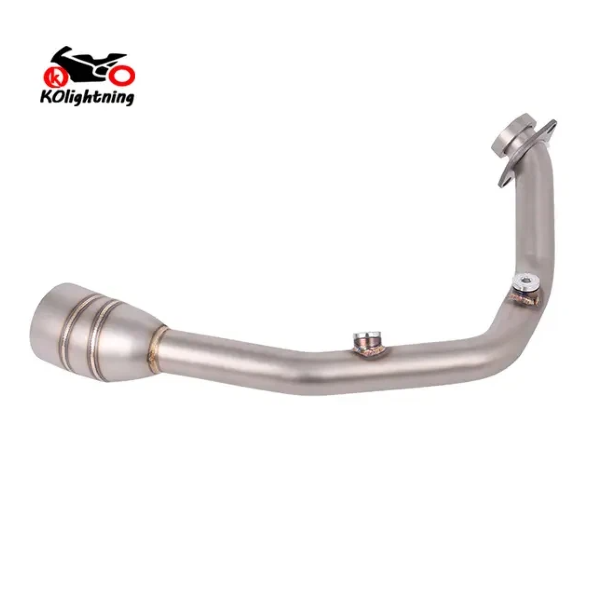
A better sound is usually the first thing riders imagine, but that is not always enough to justify a change. The real question is whether a kawasaki exhaust system upgrade fits the way the bike is actually used. Some riders want a cleaner look and a more satisfying tone, while others want less weight, sharper response, or a practical replacement for a tired stock setup. KOlightning has focused on motorcycle exhaust products since 2015, and this is the decision many riders face before they move from browsing to buying: is an upgrade truly worth it for my bike, my roads, and my riding habits?
What Are the Best Reasons to Upgrade?
You want a better sound and stronger visual style
For many riders, the first reason to upgrade is simple. The bike feels too quiet, too bulky at the rear, or not quite as sharp as it could be. A stock exhaust usually does its job well, but it is often designed to satisfy broad factory requirements rather than personal taste. That means the sound can feel muted and the shape can look more practical than exciting.
An upgraded exhaust changes that impression quickly. The bike often sounds richer, looks cleaner, and feels more personal the moment the rider sees it parked or hears it start. This matters more than some people admit. Motorcycles are not only machines for transport. They are also emotional purchases, and the way a bike looks and sounds plays a large role in rider satisfaction.
A good exhaust upgrade makes the motorcycle feel more finished. It does not need to be extreme to be worthwhile. For many street riders, a cleaner rear profile and a more confident sound are enough to make the bike more enjoyable every day.
You want less weight and better response
Another strong reason to upgrade is riding feel. Factory systems are often heavier than riders expect, especially on bikes where the stock design prioritizes cost control, durability, and noise compliance over a sharper overall character. A lighter aftermarket exhaust can reduce that sense of heaviness and help the bike feel more willing in normal use.
This kind of change is not always dramatic in numbers, but it is often noticeable in the seat. The bike may feel a little more eager when picking up speed, a little more direct when the throttle opens, and a little less burdened overall. Riders who pay attention to response often appreciate this type of improvement even more than raw sound.
That is why exhaust upgrades are not only for riders chasing performance headlines. They are also for riders who want the motorcycle to feel cleaner, more agile, and more rewarding in daily use.
Your stock system is damaged, restrictive, or outdated
Sometimes the reason to upgrade is not excitement at all. It is practicality. A stock exhaust may be rusting, cracking, rattling, or simply showing its age after years of use. In that case, replacement becomes less about customization and more about solving a real problem in a way that also improves the bike.
This is where an upgrade can make strong sense. Instead of spending money on repeated repairs for an aging system, the rider can move to a replacement that brings better materials, a fresher appearance, and a more satisfying overall experience. When the original setup is already compromised, upgrading is often the smarter long-term decision.
")
Which Riders Benefit Most From a Kawasaki Exhaust System Upgrade?
Daily riders and commuters
Daily riders are often more practical than people assume. They want the bike to stay easy to live with, but they still enjoy a cleaner look and a more enjoyable sound. For this group, a simple and well-fitted upgrade is usually the best match. The ideal result is not a loud or difficult bike. It is a bike that feels more refined and more enjoyable without becoming inconvenient.
Durability matters a lot here. Riders who use the bike regularly need materials and construction they can trust over time. This is one reason why stainless steel, carbon fiber, and other quality materials remain important in real-world buying decisions.
Weekend sport riders
Weekend riders tend to care more about character. They may want a stronger tone, lighter feel, and a more aggressive presence when the road opens up. For this group, the value of an exhaust upgrade often comes from how much more engaging the bike feels during the rides they most look forward to.
A system that saves some weight, improves the exhaust note, and gives the motorcycle a sharper visual finish can make a big difference to the ownership experience. These riders are often willing to go a bit further than commuters because the emotional side of the bike matters more to how they use it.
Performance-focused riders
Some riders want a broader change. They care about flow, weight, response, and upgrade potential as part of a more complete setup. These riders are more likely to consider a full system rather than a simpler rear-section change, and they are usually more open to related steps such as tuning if needed.
For this group, the upgrade is less about surface change and more about shaping the overall behavior of the motorcycle. They do not just want a different sound. They want a more complete result.
Which Kawasaki Exhaust Upgrade Fits Your Riding Style?
Rider Type | Main Goal | Best Upgrade Type | Why It Fits | Things to Watch |
Daily rider | Better sound and cleaner look | Slip-on | Easier to install and easier to live with | Noise level and fitment |
Weekend sport rider | More character and lighter feel | Slip-on or mid-level upgrade | Stronger tone and noticeable change | Material quality |
Performance-focused rider | Broader improvement in flow and response | Full system | More complete change across the setup | Installation and possible tuning |
Rider replacing a worn stock system | Reliability and fresh appearance | Slip-on or full system depending on damage | Solves a practical problem while improving the bike | Total replacement cost |
When Is a Slip-On Enough and When Is a Full System Better?
This is usually the most important decision point. A slip-on is often enough when the rider mainly wants a better sound, a more attractive rear section, and a lower-commitment upgrade. It is popular because it delivers visible and audible change without turning the project into something expensive or complex.
For many riders, that is exactly the right answer. They do not need to replace the full factory route to enjoy the bike more. They just want the machine to sound better and look less ordinary.
A full system makes more sense when the rider wants a deeper change in flow, weight, and upgrade potential. This route is usually better for riders who already know they want more than a cosmetic or sound-focused improvement. It is also the better answer when the stock exhaust is damaged in multiple places or when the original setup feels too restrictive or too heavy for the rider’s expectations.
The most useful way to think about slip-on vs full exhaust is not which one sounds more serious. It is which one matches the rider’s actual goal. If the desired result is simple, the upgrade should stay simple. If the desired result is broader, the system should match that ambition.
What Should You Think About Before Making the Switch?
Fitment, local rules, and installation expectations
A product can look excellent online and still be the wrong choice for the bike. Fitment should always come first. A well-fitted exhaust gives a cleaner final look, reduces installation trouble, and helps avoid problems such as misalignment, leaks, or vibration.
Local rules matter too. Some riders focus only on appearance or sound clips, then forget that daily use may involve noise expectations or emissions concerns in their area. The right exhaust should suit the rider’s real environment, not just an ideal image.
Installation expectations should also stay realistic. Some upgrades are straightforward, while others ask for more time, skill, or supporting parts. Riders make better buying decisions when they think about the full installation experience before ordering.
Whether tuning is part of your plan
Tuning is one of the most common questions riders ask when considering an upgrade. The honest answer is that it depends on how much the exhaust changes the bike’s setup. A simple change may not require much beyond proper installation, while a more complete system can benefit from additional adjustment.
This does not mean every rider needs to make tuning a major concern from the beginning. It simply means the question should be part of the plan if the rider is moving toward a fuller exhaust change. Thinking about this early helps avoid mismatch between expectations and results.
How to Choose an Upgrade That Still Feels Worth It Six Months Later
The best upgrade is not always the loudest or the most dramatic one. It is the one that still feels right after the early excitement fades. Riders who stay happiest with their purchase usually choose based on real riding goals, material quality, durability, and how well the product fits the bike.
That is why value matters more than extremes. A system that looks good, fits properly, sounds satisfying, and holds up over time usually feels like a much better purchase than one chosen only for volume or appearance. Long-term satisfaction comes from balance.
KOlightning fits naturally into this kind of decision because the focus is not only on visual impact. The product range is built around motorcycle exhaust upgrades that combine stronger materials, performance-minded design, and practical fitment value. For riders who want an upgrade that still feels justified months later, that balance matters.
Conclusion
The best time to upgrade a kawasaki exhaust system is when the rider has a clear reason to do it. That reason might be a better sound, a lighter feel, improved response, or a needed replacement for a worn factory setup. What matters is matching the upgrade to the way the bike is really used, not to hype or guesswork. KOlightning helps riders compare options with that real-world mindset, whether the right move is a simple slip-on or a more complete motorcycle exhaust system upgrade. If you are ready to find the right setup for your Kawasaki, contact us and explore the option that fits your riding style best.
FAQ
Is a Kawasaki exhaust system upgrade worth it for daily riding?
Yes, it can be, especially if the goal is a better sound, a cleaner look, and a more enjoyable ride without making the bike difficult to use every day.
Who should choose a slip-on instead of a full system?
A slip-on is usually the better choice for riders who want a simpler upgrade focused on sound, appearance, and lower installation commitment.
When does a full exhaust system make more sense?
A full system makes more sense when the rider wants a broader change in flow, weight, and performance feel, or when the stock system is aging or damaged.
What should I check before upgrading my exhaust?
You should check fitment, material quality, local riding rules, installation expectations, and whether tuning is likely to be part of your plan.