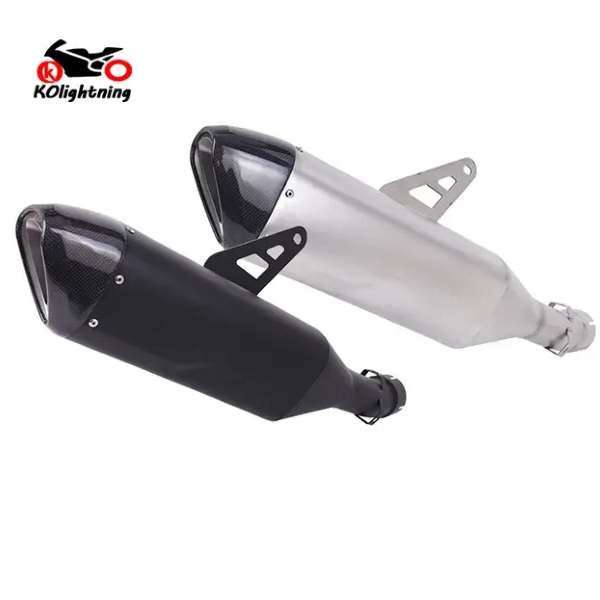
Something changes before most riders see the problem. The bike sounds harsher, pops more on deceleration, feels weaker at low RPM, or gives off a smell that was not there before. When a kawasaki exhaust system starts acting differently, the cause is often easier to trace than riders expect, but only if they know which signs matter and which ones can be ignored for a while. KOlightning has focused on motorcycle exhaust products since 2015, and many customers come with the same concern: is this a small issue, a repair job, or a sign that the current system is no longer worth keeping?
What Are the Most Common Kawasaki Exhaust System Problems?
Leaks at joints or gaskets
One of the most common issues is an exhaust leak. It may start at a joint, a worn gasket, or a connection point that has loosened over time. Riders often notice a ticking sound near the front of the system, a sharper exhaust note, or a faint hissing sound when the bike is running. In some cases, the bike may pop more than usual on deceleration, especially if the leak affects the way gases move through the system.
A small leak does not always look dramatic, which is why it is easy to ignore. Even so, it can change how the bike feels and make the exhaust sound rougher than it should. Left alone, a minor leak can become a bigger one, especially on a bike that sees frequent heat cycles or rough road use.
Rust, cracks, and road wear
Metal parts live in a harsh environment. Heat, moisture, road grime, and vibration all work against the exhaust over time. Surface discoloration is common and does not always mean the system is failing, but deeper rust, visible cracking, or thinning material is a different story. These problems usually show up first near joints, welds, mounting points, or lower sections that collect dirt and water.
Cracks are especially important because they rarely stay small for long. Once a system begins to split at a stressed area, vibration and heat will usually keep working that weak point. A rider may first notice a change in sound, but the real issue is structural. When that happens, repeated patchwork often becomes less practical than replacement.
Loose mounts, rattles, and poor fitment
Not every problem is about corrosion or leakage. Sometimes the issue is mechanical. Loose clamps, worn hangers, misalignment, and vibration after a past modification can all make an exhaust feel unstable. Riders may hear a rattle at certain RPM ranges or feel that something is moving more than it should.
Poor fitment creates its own problems as well. A system that does not sit correctly can place extra stress on joints and mounts, which leads to leaks, shaking, or early wear. This is one reason quality and proper matching matter. A badly fitted system may cost less at first, but it often creates new problems faster than expected.

What Symptoms Usually Show Up First?
A louder or sharper exhaust note
Sound is usually the first clue. A bike that once sounded smooth and controlled may suddenly become rougher, sharper, or more metallic. Riders often describe it as sounding leakier or thinner than before. That change matters because it often points to a physical issue rather than a harmless variation.
When the tone changes suddenly, it is worth checking the system before assuming it is just normal wear. Exhaust sound tends to evolve gradually with age, but sharp changes usually mean something has loosened, cracked, or worn out.
Loss of response or uneven running
A problem in the exhaust can also affect how the bike feels on the road. The engine may seem less smooth, acceleration may feel weaker, or throttle response may feel off in a way the rider cannot quite describe. It may not be dramatic, but the bike no longer feels as clean or settled as it did before.
This does not mean every sluggish feeling is caused by the exhaust alone, but when weak response appears alongside sound changes, smell changes, or visible damage, the system deserves close attention. Riders often notice these signs together.
Backfiring, popping, or smell changes
Popping on deceleration is not always a disaster, but repeated backfire or an unusually strong exhaust smell should not be dismissed. These signs can point to a leak, a damaged section, or a setup that is no longer sealing or flowing the way it should. If the system was modified in the past and fitment was never quite right, those issues often show up here first.
Smell matters more than many riders expect. A stronger or harsher odor can mean gases are escaping where they should not, or that the exhaust path is no longer working as intended. Combined with popping or rough sound, it usually points to a problem that needs attention.
Common Kawasaki Exhaust Symptoms and What They May Mean
Symptom | Likely Cause | How Serious It Is | Repair or Upgrade? |
Sharper exhaust note | Joint leak or worn gasket | Moderate | Usually repair first |
Ticking or hissing | Small exhaust leak | Moderate | Repair soon |
Rattle at certain RPM | Loose clamp or mount | Low to moderate | Usually repair |
Visible crack | Stress damage or aging material | High | Often replace |
Heavy rust | Long-term wear and moisture damage | Moderate to high | Depends on depth |
Repeated popping and smell change | Leak, poor fitment, or deeper system issue | Moderate to high | Inspect, then decide |
Which Problems Can Be Repaired and Which Ones Suggest Replacement?
Some exhaust issues are still worth repairing. A worn gasket, a loose clamp, or a mount that needs attention can often be handled without replacing the full system. These are the kinds of problems riders should catch early, because once repaired properly, the system may continue to serve well.
The situation changes when damage is repeated or widespread. If a system has corrosion in several places, cracks that return after repair, or fitment issues that never seem fully solved, the rider is no longer dealing with a simple fix. At that point, repairs start becoming a cycle rather than a solution. The money may be better spent on a stronger replacement that restores reliability instead of postponing the next problem.
Age is part of this decision too. An older stock exhaust that has already seen years of heat, moisture, and vibration may not respond well to one more patch. Even if the immediate problem can be fixed, the rest of the system may already be close to the same stage of wear. That is when replacement becomes the smarter long-term move.
Can an Aftermarket Upgrade Solve Recurring Exhaust Problems?
When a replacement makes more sense than another repair
There comes a point when another repair no longer feels efficient. If the stock system is heavy, rust-prone, damaged in multiple areas, or repeatedly developing leaks, replacing it can save time and frustration. Instead of fixing one weak point after another, the rider starts fresh with a system designed to deliver better durability and a cleaner overall result.
This is especially true for riders who already wanted a better sound or a lighter setup. If the current exhaust is both aging and uninspiring, replacement solves two problems at once. It removes a source of recurring trouble and improves the riding experience in a way a patch repair never will.
What to look for in a more durable replacement
A good replacement should do more than look better. It should offer stronger materials, reliable fitment, and a design that supports sound, flow, and daily durability. KOlightning focuses on these priorities with options built from 304 stainless steel, carbon fiber, titanium, and aluminum alloy. Those materials matter because they affect corrosion resistance, weight, finish quality, and long-term confidence.
Fitment is just as important as material. A durable system that does not install correctly can still create stress, vibration, or sealing problems. Riders dealing with repeated issues should pay close attention to whether the replacement is designed to match the bike properly and whether the structure feels built for regular road use rather than short-term appearance.
A better exhaust should reduce trouble, not introduce new uncertainty. When buyers compare options with that mindset, they usually make better decisions and avoid the disappointment that comes from choosing only by price or appearance.
Conclusion
The right response depends on the pattern of symptoms. One small leak may only need a repair, but repeated backfire, visible cracks, poor fitment, or an aging stock setup usually means it is time to look beyond temporary fixes. A kawasaki exhaust system should support reliable riding, stable sound, and a clean overall feel, not become a repeated source of noise, vibration, and guesswork. KOlightning offers fitment-focused upgrade options for riders who want a more durable answer, whether the goal is to solve recurring problems, improve sound, or replace a worn factory setup with a stronger motorcycle exhaust system. If your current exhaust no longer feels worth repairing, contact us to compare the right option for your bike.
FAQ
Can a small exhaust leak damage the riding experience?
Yes. Even a small exhaust leak can make the bike sound rougher, increase popping, and change how smooth the bike feels at low and mid RPM.
Is surface rust always a reason to replace the exhaust?
Not always. Light surface discoloration is different from deep rust or thinning metal. Replacement usually becomes the better choice when corrosion affects strength or appears in multiple areas.
Why does my Kawasaki exhaust rattle at certain RPM?
A rattle often comes from a loose clamp, worn hanger, poor fitment, or vibration at a stressed mounting point. It should be checked before it causes more wear.
When should I replace instead of repair my exhaust system?
Replacement makes more sense when damage is repeated, cracks keep returning, rust is spreading, or the system has become unreliable enough that repairs no longer feel cost-effective.