Contents
Introduction
Removing the muffler from a motorcycle dramatically alters how the machine behaves, sounds, and ages. Many riders experiment with wide-open exhausts because they want louder sound or believe it leads to better performance, but the long-term consequences often outweigh the short-term thrill. A muffler is more than a noise-reduction device—it influences exhaust flow, backpressure balance, emissions, and even the overall durability of the engine. By understanding how the exhaust system works and what happens when the muffler is removed entirely, riders can make informed decisions and identify safer alternatives such as installing a properly engineered Universal Motorcycle Muffler.
The Real Consequences of Removing a Motorcycle Muffler
Taking the muffler off your motorcycle is typically done for louder sound or perceived horsepower gains, but in reality it introduces several complications. When exhaust exits the combustion chamber without passing through a tuned muffling system, the profile of exhaust pulses changes dramatically. This sudden change disrupts scavenging efficiency, interferes with fuel-air ratios, and often forces the engine to run hotter. Riders frequently report loss of low-end torque, inconsistent throttle response, and in extreme cases, premature engine wear. Beyond mechanical issues, the drastic increase in noise can affect comfort, rider fatigue, and the bike’s overall usability. These effects demonstrate why simply removing the muffler rarely provides benefits and usually causes problems that could easily be avoided by using a performance-oriented Universal Motorcycle Muffler instead.

Why Modern Engines Depend on a Proper Muffler System
Contemporary motorcycle engines are developed with precise exhaust tuning in mind, and mufflers play an essential role in regulating backpressure and exhaust velocity. Even minor changes to the exhaust pathway can cause fuel-mapping inconsistencies. Removing the muffler entirely can cause lean running conditions, which elevate combustion temperatures and increase the risk of engine knock or valve damage. Engineers design mufflers not merely to reduce noise but to help optimize torque curves, stabilize idle, and maintain emissions compliance. A motorcycle running without a muffler often loses mid-range pull and exhibits harsher vibration due to uneven exhaust pulses. Because modern bikes are calibrated so tightly, the best way to modify sound while preserving performance is installing a quality Universal Motorcycle Muffler designed for balanced flow rather than eliminating the muffler altogether.
Noise, Comfort, and Riding Experience Without a Muffler
The sound of a motorcycle with no muffler goes far beyond being “loud.” The noise becomes raw, metallic, and unfiltered, sending sharp exhaust blasts directly into the surrounding environment. This can quickly lead to rider fatigue, especially on longer rides. At higher RPM, the noise can exceed 100 decibels—levels known to cause hearing damage without proper protection. Additionally, the harsh exhaust note may mask mechanical sounds that indicate developing issues, making it harder for riders to detect early signs of trouble. On group rides or urban commutes, the unrestrained noise can cause confrontation, complaints, and even fines. A Universal Motorcycle Muffler allows riders to shape their exhaust note into a richer, more refined tone while avoiding the discomfort and hearing strain associated with running no muffler at all.
Legal and Environmental Issues Riders Often Overlook
Operating a motorcycle without a muffler is illegal in many regions, not only because of noise regulations but also because removing the muffler often affects emissions. Most areas enforce strict decibel limits, and law enforcement can issue significant fines for excessively loud exhausts. Additionally, in some jurisdictions, a motorcycle must retain the entire exhaust assembly—including muffler—during inspection or registration processes. Removing the muffler can also lead to incomplete burning of fuel, increasing hydrocarbon emissions, which is environmentally harmful and may violate emissions testing. These legal and ecological consequences are frequently underestimated by riders seeking louder sound. Choosing a compliant Universal Motorcycle Muffler provides a safer path, allowing modifications within legal noise levels while maintaining emissions compatibility.
Engine Health: Backpressure, Tuning, and Long-Term Wear
Proper backpressure is crucial for stable combustion and torque delivery. Removing the muffler drastically reduces backpressure, causing unregulated airflow that interrupts the timing of exhaust scavenging. The engine may run lean, increasing the temperature of the combustion chamber and accelerating wear on piston rings, valves, and spark plugs. Carbureted engines may require significant rejetting, while fuel-injected systems often need ECU remapping to compensate. Even with tuning, some powerbands may never recover their original smoothness without a properly designed exhaust end-section. Continuous operation without a muffler may also cause unburned fuel to ignite inside the header, producing popping, backfiring, and potential damage to catalytic components. Installing a tuned Universal Motorcycle Muffler is a significantly safer approach that preserves power delivery and engine reliability.
Table: Effects of Riding With vs. Without a Muffler
| Feature/Impact | With Muffler | Without Muffler |
| Noise Level | Controlled and comfortable | Extremely loud, hearing-damaging |
| Backpressure | Balanced and engine-friendly | Too low, disrupts tuning |
| Engine Temperature | Stable | Higher, risk of overheating |
| Torque Curve | Smooth and predictable | Loss of low/mid-range torque |
| Legal Compliance | Passes most inspections | Often illegal |
| Riding Comfort | High | Fatiguing |
Universal Motorcycle Muffler Options as Better Alternatives
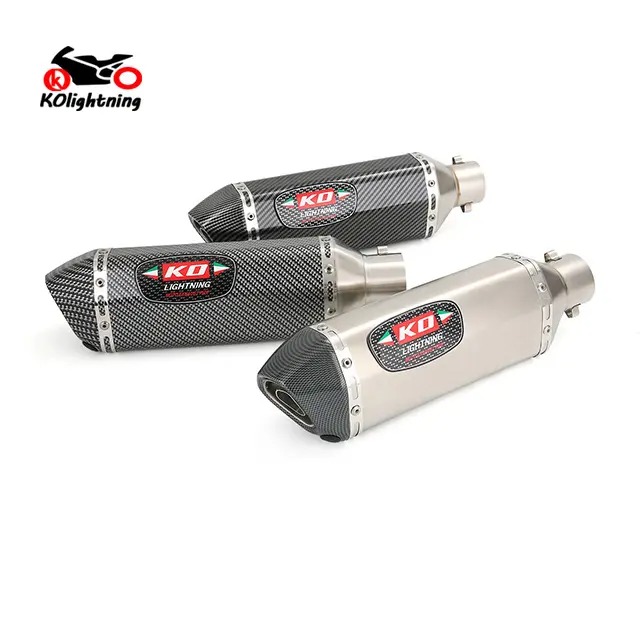
If the goal is enhanced sound or improved aesthetics, replacing the stock unit with a performance-oriented Universal Motorcycle Muffler is a far superior option. Universal models come in various lengths, diameters, and internal baffle configurations, allowing riders to customize sound while keeping the engine properly balanced. Many universal mufflers incorporate removable DB killers, giving riders flexible sound control without sacrificing exhaust tuning. Compared to riding with no muffler, a universal option provides a deeper, more controlled exhaust note as well as improved throttle response. These mufflers are also designed to support smoother airflow using engineered chambers and perforated tubes that help maintain necessary backpressure. Because universal mufflers are widely compatible and affordable, they provide an ideal solution for riders seeking upgrades without risking mechanical damage or legal complications.
Table: Stock vs. Universal Motorcycle Muffler Performance Characteristics
| Aspect | Stock Muffler | Universal Motorcycle Muffler |
| Sound | Quiet to moderate | Tunable loudness, richer tone |
| Weight | Typically heavier | Usually lighter |
| Customization | Limited | High—various styles and baffles |
| Performance Impact | Stable factory setting | Optimizable with tuning |
| Aesthetics | OEM look | Sporty or classic options |

How to Choose a High-Quality Universal Motorcycle Muffler
Selecting the right Universal Motorcycle Muffler requires attention to build materials, internal design, and compatibility with your engine’s displacement. Stainless steel and carbon-fiber mufflers provide durability while keeping weight down. Riders should examine the baffle system to ensure it supports the proper resistance needed for stable backpressure. In addition, the inlet diameter must match or closely align with the motorcycle’s exhaust pipe to avoid turbulence or leaks. Performance-focused riders often choose mufflers with perforated-core designs, which provide smoother airflow than straight-through hollow tubes. Another important factor is whether the muffler includes a removable DB killer, enabling riders to fine-tune sound output to meet legal noise limits and personal preference. A well-engineered Universal Motorcycle Muffler not only improves the exhaust tone but also preserves engine longevity, making it a vastly better alternative to running without a muffler.
Conclusion
Removing the muffler from a motorcycle may seem like a simple way to achieve louder sound or perceived performance improvements, but the consequences affect mechanical reliability, riding comfort, legal compliance, and the environment. Without a muffler, the engine experiences unstable backpressure, hotter operating temperatures, and reduced torque across common riding ranges. Noise levels become uncomfortable and unsafe, while local laws often prohibit muffler-less exhaust systems altogether. For riders seeking improved sound or lighter exhaust components, installing a well-designed Universal Motorcycle Muffler is a far smarter solution. It maintains engine health, offers customizable sound, and ensures the motorcycle remains enjoyable and compliant for everyday use.
FAQ
1. Does removing a muffler increase horsepower?
Typically no—removing the muffler often reduces low-end torque and creates uneven performance due to disrupted backpressure. A tuned Universal Motorcycle Muffler is more effective for controlled gains.
2. Can riding without a muffler damage the engine?
Yes. Lean conditions, overheating, valve stress, and inconsistent combustion can occur, accelerating engine wear.
3. Is it illegal to remove the muffler from a motorcycle?
In many regions it is illegal due to noise ordinances and emissions regulations. Fines can be substantial.
4. Will a Universal Motorcycle Muffler fit any bike?
Most are widely compatible but require checking inlet size and mounting style. Adaptors may be needed on some models.
5. Do universal mufflers require tuning?
Mild changes may not require tuning, but for optimal performance and longevity, checking fuel-air calibration is recommended.