Contents
Introduction
How Riding Without a Muffler Alters Engine Behavior
Back Pressure Loss and Its Impact on Engine Health
Heat, Exhaust Flow, and Long-Term Component Stress
Fuel Efficiency, Tuning Problems, and Air–Fuel Imbalance
Noise, Legal Risks, and Why a Universal Motorcycle Muffler Matters
Engine Performance Changes: Power Loss vs. Power Gain
Choosing a Universal Motorcycle Muffler as a Safe Replacement
Conclusion
FAQ
Introduction
Riding a motorcycle without a muffler exposes the engine to changes it was never designed to handle. The exhaust system is engineered as a complete unit that manages sound, heat, pressure, and emissions. Removing one part—especially the muffler—disrupts this balance. Riders often remove mufflers for a louder sound or reduced weight, yet this modification can unintentionally create mechanical stress and reduce engine longevity. Understanding how muffler removal truly affects the engine helps riders make safer decisions, particularly when selecting alternatives like a Universal Motorcycle Muffler that restore balance without compromising performance.
How Riding Without a Muffler Alters Engine Behavior
When a muffler is removed, the motorcycle’s exhaust system loses one of its most important components for controlling airflow and pressure. Exhaust gases exit the engine at extremely high speed, and the muffler moderates the turbulence as gases move from the combustion chamber into open air. Without it, exhaust pulses become irregular, creating unstable flow at the exhaust port. This instability can cause inconsistent scavenging, hotter cylinder head temperatures, and increased valve stress. Even though the engine may still run, it is operating under conditions far outside its intended design parameters. A Universal Motorcycle Muffler helps restore regulated exhaust flow so that the engine maintains proper rhythm and mechanical harmony.

Back Pressure Loss and Its Impact on Engine Health
Back pressure is often misunderstood, but it is critical for maintaining correct exhaust timing. Removing the muffler drastically reduces back pressure, causing the engine to struggle with proper combustion sequencing. This can lead to sluggish low-end torque, rough idling, misfires, and even pre-ignition under load. Over time, the lack of moderated pressure can damage exhaust valves, because they may remain exposed to high heat during the wrong moments in the combustion cycle. The chart below illustrates the difference in pressure dynamics:
Table 1: Engine Behavior With vs. Without a Muffler
| Feature | With Muffler | Without Muffler |
| Exhaust Pressure | Stable, moderated | Highly irregular, unstable |
| Low-End Torque | Strong | Reduced |
| Valve Temperature | Controlled | Elevated |
| Engine Wear | Normal | Accelerated risk |
A Universal Motorcycle Muffler ensures the proper level of back pressure is reinstated, preventing harmful irregularities in airflow that can shorten engine life.
Heat, Exhaust Flow, and Long-Term Component Stress
Heat management is one of the most overlooked functions of the exhaust system. When a muffler is removed, heat exits more rapidly but less predictably, creating hotspots along the exhaust manifold, cylinder head, and valves. These heat fluctuations lead to metal fatigue, gasket failures, and burned valves. The engine’s thermal efficiency drops as combustion temperature becomes inconsistent. Riders may also notice popping or backfiring during deceleration due to unburned fuel igniting in the open exhaust path.
In contrast, a well-designed Universal Motorcycle Muffler regulates thermal flow, ensuring heat leaves the system steadily rather than violently. This protects the exhaust ports, reduces carbon buildup, and maintains a consistent temperature profile that extends the life of internal components. Long-term monitoring has shown that engines run smoother and cooler when equipped with a properly tuned muffler rather than running open-pipe.
Fuel Efficiency, Tuning Problems, and Air–Fuel Imbalance
An engine running without a muffler requires different tuning than a stock configuration. The sudden reduction in exhaust restriction typically leans out the air–fuel mixture, causing the engine to run hotter and less efficiently. Fuel injection or carburetor mapping compensates for expected levels of back pressure; removing the muffler disrupts these calculations. This may lead to power dips, throttle hesitation, poor fuel consumption, and accelerated wear of spark plugs and pistons. Riders sometimes attempt to retune or rejet to compensate, but without a stable exhaust system, tuning becomes inconsistent and unreliable.
Installing a Universal Motorcycle Muffler provides a stable exhaust signature, allowing tuning to remain predictable and efficient. This restores optimal air–fuel balance and saves the rider from continuous adjustments. The table below highlights the difference:
Table 2: Fuel System Impact With and Without Muffler
| Function | Stable Back Pressure (With Muffler) | Open Exhaust (No Muffler) |
| Air–Fuel Ratio | Balanced | Lean or inconsistent |
| Fuel Efficiency | Normal | Reduced |
| Engine Temperature | Controlled | Elevated |
| Need for Retuning | Minimal | Frequent |
Noise, Legal Risks, and Why a Universal Motorcycle Muffler Matters
Beyond mechanical considerations, riding without a muffler creates extreme noise levels that often exceed legal limits. Open exhaust systems can reach decibel levels that damage hearing, attract fines, or result in road bans depending on regional regulations. This uncontrolled noise also causes rider fatigue and reduces situational awareness, making riding more dangerous. A Universal Motorcycle Muffler offers a controlled sound profile that enhances safety while remaining compliant with most noise and emissions regulations.
Beyond legality, excessive noise changes how the engine behaves acoustically. The sound vibrations reverberate differently through an open exhaust path, contributing to additional fatigue on welds, joints, and brackets. Therefore, installing a muffler is not only a legal safeguard but also a structural one.

Engine Performance Changes: Power Loss vs. Power Gain
Some riders believe that removing the muffler increases power. In reality, most motorcycles lose low-end torque and throttle response because the engine cannot maintain proper scavenging. High-rev power may feel slightly louder, creating an illusion of increased performance, but actual dyno results often show uneven gains and losses depending on RPM range. Without the engineered restriction of a muffler, the combustion chamber may not fully clear exhaust gases before the next cycle, reducing total power output.
Using a Universal Motorcycle Muffler designed for tuned airflow can preserve or even enhance power by creating a balanced pressure wave that improves exhaust efficiency. Performance-oriented mufflers often incorporate baffles, chambers, or fiberglass packing that optimize flow while maintaining necessary back pressure.
Choosing a Universal Motorcycle Muffler as a Safe Replacement
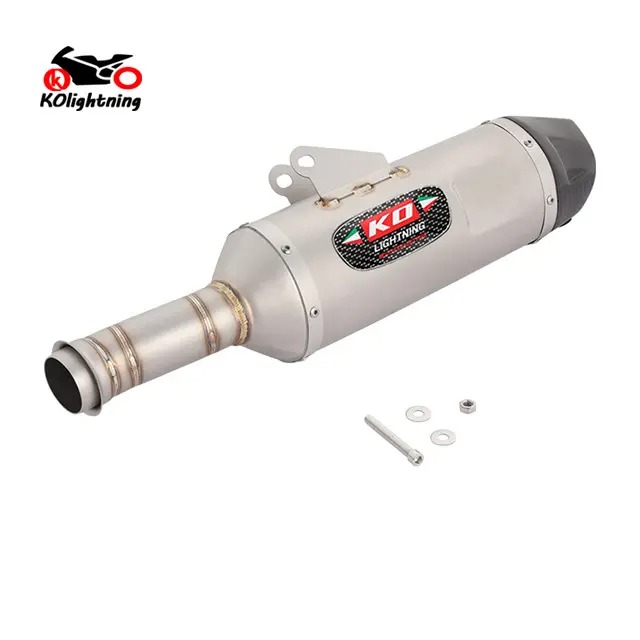
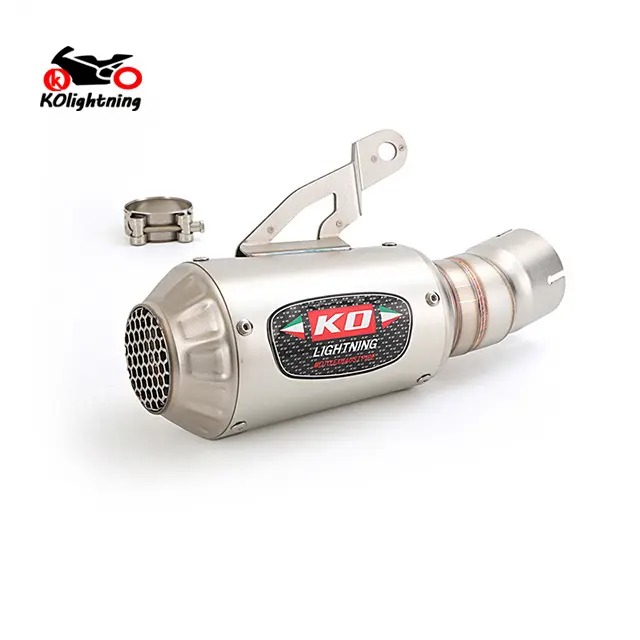
If the stock muffler is damaged, removed, or intentionally replaced, a Universal Motorcycle Muffler becomes a practical solution. These mufflers fit a wide range of motorcycle models and offer flexible mounting options. Riders benefit from restored engine stability, reduced noise, better tuning consistency, and extended component life. When selecting one, important features include pipe diameter compatibility, internal baffle design, heat resistance, and removable dB killers. These options allow riders to customize sound and performance while maintaining mechanical safety.
Additionally, Universal Motorcycle Mufflers provide an affordable and efficient way to protect the engine from the long-term damage caused by running open exhaust. For older or custom motorcycles, universal fitment ensures you can maintain proper exhaust function even when specific OEM parts are hard to find.
Conclusion
Riding without a muffler can damage the engine over time by disrupting back pressure, increasing heat stress, destabilizing air–fuel ratios, and causing unpredictable exhaust flow. The engine begins operating outside its intended design range, which accelerates wear and reduces overall performance. Using a Universal Motorcycle Muffler restores necessary balance, safeguards the engine, reduces noise, and maintains legal compliance. For any rider seeking a louder tone, better performance, or custom appearance, a well-designed muffler is the safest and most reliable choice.
FAQ
1. Does riding without a muffler immediately damage the engine?
Not instantly, but repeated rides cause long-term stress to valves, gaskets, and combustion timing due to unstable exhaust pressure.
2. Can removing the muffler increase horsepower?
Usually no. Most motorcycles lose low-end torque and suffer uneven power delivery without proper exhaust tuning.
3. Will a Universal Motorcycle Muffler fit my bike?
Most models fit a wide range of pipe diameters and configurations. Check inlet size and mounting bracket compatibility before purchase.
4. Why does the engine run hotter without a muffler?
The loss of back pressure changes combustion efficiency, making the engine run lean and raising head and valve temperatures.
5. Is it legal to ride without a muffler?
In many regions, no. Noise regulations often require a functioning muffler, and riding without one can result in fines or mechanical inspection.