Contents
Introduction
The Core Function of a Motorcycle Muffler
Internal Components That Shape Exhaust Flow
How Sound Reduction Actually Happens
Gas Dynamics and Backpressure Explained
Materials and Construction Differences
Why Many Riders Choose a Universal Motorcycle Muffler
Performance, Tuning, and Real-World Considerations
FAQ
Introduction
A motorcycle muffler is a precision-engineered acoustic and flow-control device designed to shape exhaust sound and optimize the movement of gases leaving an engine. Understanding how a motorcycle muffler works is essential for riders who want better performance, improved sound characteristics, and a more informed approach to aftermarket upgrades such as installing a Universal Motorcycle Muffler. This article breaks down the design principles, internal mechanisms, and physical processes that allow a muffler to reduce noise, manage pressure waves, and influence engine behavior.
The Core Function of a Motorcycle Muffler
A motorcycle muffler’s primary function is to reduce the sound generated by high-velocity exhaust gases as they exit the combustion chamber. When fuel ignites inside the engine, the expanding gases create powerful pressure waves that travel through the exhaust system. Without a muffler, these waves would be released directly into the air, producing extremely loud, sharp noise. The muffler acts as an engineered sound-processing chamber: it redirects pressure waves, dissipates their energy, and uses internal volume to control resonance. Even a Universal Motorcycle Muffler operates under the same acoustic principles—its shape, chamber layout, and internal pathways determine how effectively it manages noise while maintaining acceptable flow rates. The core purpose is not merely silencing but also balancing performance and sound character for the rider’s specific motorcycle type.

Internal Components That Shape Exhaust Flow
To understand how a motorcycle muffler works, it is useful to examine the internal components that manipulate exhaust flow. A typical muffler includes perforated tubes, expansion chambers, packing material, and sometimes reflective baffles. These elements create a path that exhaust gases must travel, allowing pressure waves to lose intensity before exiting. For example, many Universal Motorcycle Muffler designs incorporate a perforated core wrapped in fiberglass packing. As gases pass through the perforations, sound energy is converted into heat absorbed by the packing. Meanwhile, expansion chambers temporarily increase internal volume, slowing down and diffusing the waves. Some performance-oriented mufflers use straight-through pathways to minimize flow restrictions, while others rely on more complex internal routing to prioritize noise reduction over maximum horsepower. Each component works together to shape both the tone and volume of the exhaust note.
Table 1 — Common Internal Muffler Components and Their Functions
| Component | Function | Impact on Sound | Impact on Flow |
| Perforated Core | Directs exhaust through holes | Reduces high-frequency noise | Minimal restriction |
| Fiberglass Packing | Absorbs acoustic energy | Softer, deeper tone | No significant effect |
| Baffles | Redirect or block waves | Major sound reduction | Can increase backpressure |
| Expansion Chamber | Allows waves to expand | Smooths resonance | Minor restriction |
How Sound Reduction Actually Happens
Sound reduction in a motorcycle muffler is a controlled manipulation of pressure waves. Instead of relying purely on physical obstruction, modern mufflers apply three key acoustic principles: absorption, reflection, and cancellation. Absorptive mufflers use packing materials to soak up sound energy, particularly in higher frequencies. Reflective systems—common in many OEM mufflers—use baffles and chambers that bounce sound waves back on themselves, causing the waves to interfere destructively. Finally, resonators or tuned chambers create targeted cancellation of specific frequencies. A Universal Motorcycle Muffler may combine multiple techniques so that it can match a wide range of engines without creating excessive noise. The effectiveness depends on the internal geometry: altering tube length, chamber diameter, or perforation patterns changes which frequencies are muted or enhanced. This combination of physics and design is what allows mufflers to produce anything from a quiet hum to a deep, aggressive growl.
Gas Dynamics and Backpressure Explained
Beyond acoustics, the muffler also influences gas dynamics and engine performance. Backpressure refers to the resistance exhaust gases encounter as they travel through the muffler and pipes. While excessive backpressure reduces power, a controlled amount can improve low-end torque by maintaining optimal exhaust velocity. The best performing systems maintain a balance between unrestricted flow and efficient scavenging—the process by which exhaust exiting the cylinder helps pull fresh air-fuel mixture in. Even a Universal Motorcycle Muffler affects this balance depending on its internal diameter, length, and core design. Straight-through mufflers typically reduce backpressure, benefiting high-RPM output, while chambered designs favor torque at lower speeds. Riders who understand these gas-flow principles can choose a muffler that complements their riding style, whether they prioritize acceleration, cruising smoothness, or maximum peak horsepower.
Table 2 — Muffler Types and Their Flow Characteristics
| Muffler Type | Flow Restriction | Ideal For | Characteristics |
| Straight-Through | Low | High-RPM power | Loud, crisp tone |
| Chambered | Medium | Balanced riding | Deeper sound, better low-end torque |
| Resonator-Focused | Low to Medium | Sound tuning | Controls specific frequencies |
Materials and Construction Differences
The materials used in a motorcycle muffler significantly influence durability, heat resistance, and acoustic behavior. Stainless steel is the most common choice because it resists corrosion and offers stable performance under extreme temperatures. Titanium provides reduced weight, making it ideal for sport motorcycles, though at a higher cost. Aluminum, while lightweight and affordable, may lack the longevity needed for high-heat applications. Many Universal Motorcycle Muffler models use stainless steel bodies paired with fiberglass or basalt packing to ensure both strength and effective sound absorption. The construction also varies between welded seams, riveted end caps, and modular cores that make repacking easier. The density and quantity of packing material directly affect how long the muffler maintains its sound-reducing capabilities. Understanding these construction elements helps riders choose a muffler that balances longevity, sound quality, and performance.

Why Many Riders Choose a Universal Motorcycle Muffler
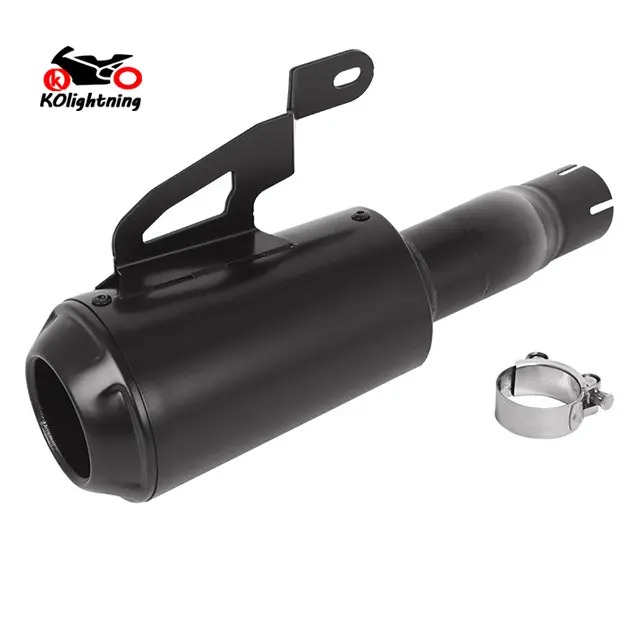
A Universal Motorcycle Muffler is designed to fit a wide range of bike models, offering flexibility and customization options for riders who want better control of their exhaust sound and aesthetics. Many riders choose universal designs because they allow quick installation without the need for model-specific parts. These mufflers often have adjustable mounting brackets, variable inlet sizes, and replaceable cores. They also provide a cost-effective way to improve sound quality while maintaining acceptable performance levels. From a functional standpoint, universal mufflers operate using the same acoustic principles as OEM and high-end aftermarket units, but offer broader compatibility. Riders who understand how a muffler works—how gases are channeled, how sound waves are managed, and how materials impact durability—can confidently select a universal option that meets their needs. The versatility of these mufflers makes them a popular choice for daily commuters, café-racers, scramblers, and hobby builders.
Performance, Tuning, and Real-World Considerations
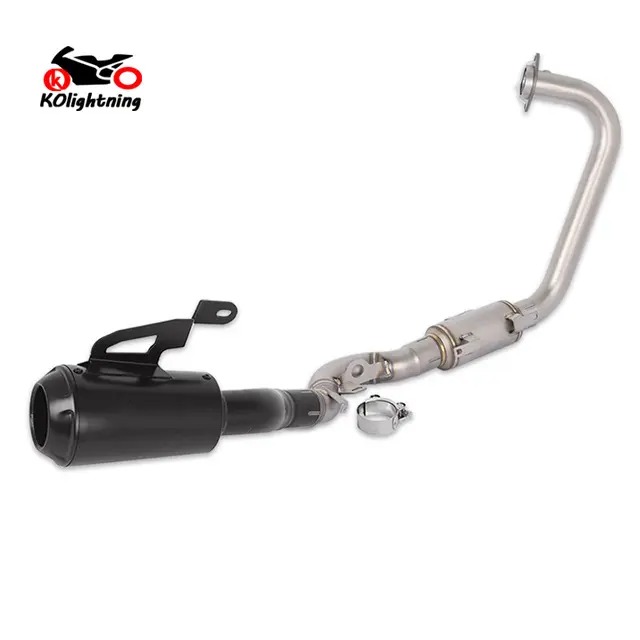
Installing a new muffler—whether OEM, performance-focused, or a Universal Motorcycle Muffler—requires considering fuel mapping, exhaust pipe diameter, and the overall flow design of the motorcycle. Modern engines with fuel injection often benefit from ECU adjustments to ensure an optimal air-fuel ratio after exhaust modifications. Failing to tune the system may result in lean running conditions, increased engine temperature, or inconsistent throttle response. Riders who prioritize performance tuning should also assess header length, catalytic convertor presence, and overall exhaust routing. Even small changes in internal muffler design influence sound character, throttle response, and engine smoothness. Temperature resistance, repacking intervals, and vibration damping are additional real-world concerns that affect long-term performance. Understanding how mufflers influence both sound waves and gas flow allows riders to make informed decisions and avoid unintended performance losses.
FAQ
1. Does a Universal Motorcycle Muffler work on any bike?
It fits most motorcycles but may require adaptor sleeves or mounting adjustments depending on the pipe diameter and frame design.
2. Will changing the muffler affect engine performance?
Yes. Sound, backpressure, and flow characteristics can change. Proper tuning ensures the best results.
3. How often should muffler packing be replaced?
Fiberglass packing typically lasts 5,000–10,000 miles depending on riding style and engine temperature.
4. Can a muffler make my motorcycle faster?
A well-designed muffler can improve performance by optimizing exhaust flow, though gains depend on proper tuning and matching the muffler to the engine’s needs.
5. Why is my motorcycle louder after the packing wears out?
As packing deteriorates, sound absorption decreases, causing louder and sharper exhaust noise.