Walk into any rider conversation and you will hear people mention headers, mufflers, slip-ons, and full systems as if they all mean the same thing. They do not. A kawasaki exhaust system is more than the visible can at the back of the bike, and understanding that difference helps riders make better upgrade decisions. KOlightning, a motorcycle exhaust company focused on performance products since 2015, works with customers who often start from this exact question before choosing the right setup for sound, appearance, and riding feel.
What Does a Kawasaki Exhaust System Actually Include?
The basic parts riders should know
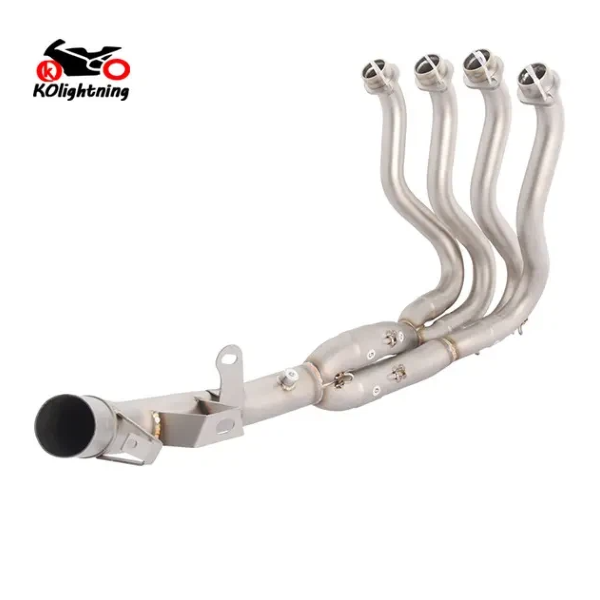
A Kawasaki exhaust system is the path that carries exhaust gases away from the engine. It usually starts with the headers, which connect directly to the engine and guide hot gases out. From there, the gases move through a link pipe or mid-pipe before reaching the muffler. On some models, the stock setup also includes a catalytic section and sensor-related components.
This is where many first-time buyers get confused. They may call the muffler the exhaust, but the muffler is only one part of the whole system. A full exhaust system includes much more than the rear canister. That difference matters because riders searching for a complete performance or weight upgrade are not shopping for the same product as riders who only want a better sound and a cleaner look.
Stock system vs aftermarket system
A stock Kawasaki exhaust is designed to serve many purposes at once. It must meet noise and emissions rules, stay reliable in daily use, and keep production costs under control. That makes it practical, but not always exciting.
An aftermarket system is chosen for different reasons. Riders want a deeper exhaust note, lighter weight, a sharper look, or a more responsive feel on the road. That is where KOlightning products become relevant. With materials such as 304 stainless steel, carbon fiber, titanium, and aluminum alloy, the goal is to give riders an option that feels more purposeful than the factory setup without losing durability.
What Does a Kawasaki Exhaust System Do?
More than just sound
The exhaust system does much more than change the bike’s voice. Its first job is to move hot gases away from the engine so the engine can keep running efficiently. It also helps control heat, reduces unwanted noise, and influences how smoothly gases leave the engine.
That flow matters because it affects the character of the motorcycle. A well-designed exhaust can help the bike feel cleaner and more responsive, while a restrictive or aging system can make it feel heavier and less lively. Riders notice sound first, but the real value of the exhaust system is that it supports the engine’s normal breathing and shapes the overall riding experience.
Why riders notice changes after an upgrade
When riders replace the stock exhaust, the most obvious change is usually sound. The bike may become deeper, sharper, or simply more satisfying to hear. For many owners, that alone makes the upgrade worthwhile because the motorcycle feels more in line with its image.
Weight is another reason upgrades feel noticeable. Aftermarket systems are often lighter than stock assemblies, which can make the bike feel less bulky and more eager in daily riding. Some riders also notice smoother throttle response and a more open feel. That does not mean every system creates a dramatic power increase, but it does mean the upgrade can change how the bike feels in a practical, everyday way.
")
Which Types of Kawasaki Exhaust Systems Are Most Common?
Slip-on systems
A slip-on system is the simpler upgrade path. It mainly replaces the muffler section while leaving most of the stock exhaust route in place. That makes it easier to install and more affordable than a full replacement.
Slip-ons are popular because they usually deliver the most immediate changes in sound and appearance. They suit riders who want a better tone and a cleaner rear profile without taking on a more expensive project.
Full systems
A full exhaust system replaces much more of the stock setup, often including headers, mid-pipe, and muffler. Riders usually choose this option when they want a more complete change in flow, weight, and performance potential.
Because it replaces more parts, a full system generally costs more and may require more attention during installation. Still, it is often the preferred route for riders who want more than a surface-level change and want the entire exhaust path to work as a better integrated system.
Kawasaki Exhaust System Types at a Glance
System Type | What It Replaces | Main Benefit | Best For | Complexity Level |
Slip-On System | Muffler section | Better sound and easier upgrade | Daily riders and first-time buyers | Low |
Mid-Pipe and Muffler Upgrade | Rear flow path | Stronger tone and more noticeable change | Riders wanting more than a basic swap | Medium |
Full Exhaust System | Headers, mid-pipe, and muffler | Broader flow improvement and lower weight | Performance-focused riders | High |
Why Do Riders Replace the Factory Exhaust?
Daily riding reasons
Most riders do not start by chasing maximum horsepower. They start by wanting their bike to look and sound better. A stock exhaust may be reliable, but it can also look bulky and sound too quiet for the character of the machine.
An aftermarket system can improve the rear profile of the bike, reduce visual weight, and create a more satisfying tone every time the rider starts the engine. Even for ordinary street use, that change makes the ownership experience more enjoyable.
Performance-focused reasons
Other riders replace the factory exhaust because they want a freer-flowing setup and a more direct response from the bike. A full system can reduce weight and improve overall flow, especially when it is part of a broader upgrade plan.
The key is to stay realistic. The best systems improve the riding experience in a believable way. They help the bike feel sharper, sound cleaner, and respond better, rather than promising exaggerated results.
What Should You Look For Before Buying One?
Fitment should be the first priority. The best-looking product is not useful if it does not match the rider’s exact Kawasaki model. A proper fit helps avoid installation problems and gives the finished bike a cleaner, more professional result.
Material is also a major factor. Good construction affects heat resistance, finish quality, and long-term durability. KOlightning focuses on materials such as 304 stainless steel and carbon fiber because riders want products that still feel like a good investment after months of use, not just on the day they are installed.
Riding goals should guide the purchase as well. A rider who mainly wants a stronger sound may be happiest with a slip-on. A rider looking for a bigger change in weight and flow may prefer a full exhaust system. Those are different needs, and the right product depends on being honest about what the rider actually expects from the upgrade.
Noise rules, emissions requirements, and installation difficulty also deserve attention. Some systems are straightforward, while others need more time, tools, or tuning support. Thinking about these points before buying reduces mistakes and helps riders choose an option that suits both the bike and real-world use.
This is why a specialized product range matters. KOlightning does not treat exhausts as simple styling parts. The company’s range is built around durability, performance, and rider-focused upgrade needs, giving buyers a clearer path from stock to a better matched setup.
Conclusion
A Kawasaki exhaust system is not just the part that changes the sound of the bike. It is a complete working setup that affects gas flow, weight, durability, and riding feel. Once riders understand what the system includes and why the factory version is often replaced, the buying process becomes much easier. KOlightning helps riders move from a basic stock setup to something that better matches their goals, whether that means a cleaner look, a stronger tone, or a more complete upgrade. If you are ready to compare options for your Kawasaki, explore a motorcycle exhaust system that fits your model and contact us for more details about fitment, materials, and the right choice for your next order.
FAQ
Is a Kawasaki exhaust system the same as a muffler?
No. The muffler is only one part of the system. A full Kawasaki exhaust system may also include the headers, mid-pipe, and other connected sections.
Is a slip-on enough for most riders?
For many riders, yes. A slip-on is often enough if the goal is a better sound, a cleaner look, and a simpler upgrade.
Why do riders choose a full exhaust system?
They usually want a broader change in flow, lower weight, and more complete upgrade potential than a basic rear-section replacement can provide.
What should I check before buying an aftermarket exhaust?
You should check fitment, material quality, riding goals, installation needs, and whether the system suits your local riding conditions and regulations.