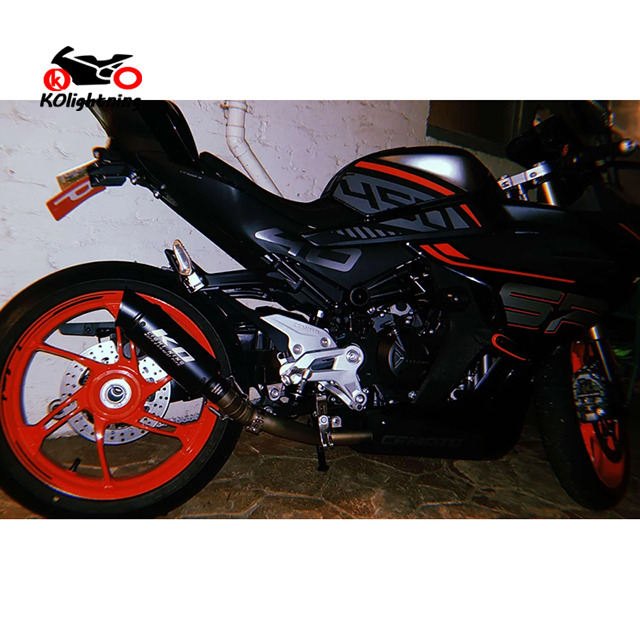
Upgrading a motorcycle exhaust is often the first modification riders make. Marketing claims around massive horsepower gains frequently overshadow the physical realities of engine dynamics. You might buy into the hype before fully understanding the mechanical changes occurring beneath the fairings. Factory exhausts prioritize strict emissions and noise compliance. They often sacrifice weight and aesthetic appeal to meet these rigid global standards. Riders must decide if an upgrade is truly worth the financial and mechanical investment.
Choosing the right exhaust requires balancing desired outcomes against implementation realities. You must weigh sound improvements, weight reduction, and aesthetics against upfront costs. You also need to consider necessary engine tuning and strict legal compliance. We will explore how these components dictate exhaust flow and scavenging efficiency. You will learn the mechanical differences between simple muffler swaps and comprehensive system replacements. Ultimately, this guide will help you determine the optimal configuration for your specific motorcycle and riding style.
Key Takeaways
A motorcycle exhaust system is more than a noise-maker; it is a precisely tuned fluid dynamics channel that dictates engine breathing and efficiency.
Upgrading to a full exhaust system yields the highest weight reduction and power gains but requires mandatory ECU tuning to prevent engine damage.
Slip-on exhausts offer cost-effective aesthetic and sound improvements with zero-to-minimal impact on actual exhaust flow or horsepower.
Removing all exhaust resistance (backpressure) without optimizing exhaust velocity (scavenging) will negatively impact low-end torque and daily drivability.
Anatomy of a Motorcycle Exhaust System
A modern Motorcycle Exhaust System operates as a complex respiratory tract for your engine. It manages acoustic energy, extreme heat, and toxic gases simultaneously. Understanding its individual components helps clarify how aftermarket upgrades alter machine behavior. We can break the system down into four critical zones.
Header Pipes
Headers serve as the critical extraction point attached directly to the engine cylinder head. They endure the most extreme thermal shock and pressure variations. Pipe diameter and primary length strictly dictate the initial velocity of exiting exhaust gases. Engineers spend thousands of hours designing specific bends to optimize gas expansion. If header pipes are too wide, exhaust velocity drops dramatically. If they are too narrow, they choke high-RPM power. Multi-cylinder motorcycles often feature crossover tubes between headers. These tubes balance pressure waves across different cylinders to smooth out power delivery.
Catalytic Converter
The catalytic converter acts as the primary emissions control bottleneck. It relies on precious metals like platinum and palladium to neutralize harmful combustion byproducts. This component heavily restricts overall gas flow. It also retains massive amounts of heat right beneath the rider. Despite these performance drawbacks, catalytic converters remain legally required for road use in almost all global jurisdictions. Removing them dramatically alters the acoustic profile and fluid dynamics of the motorcycle.
Mid-Pipe / Link Pipe
The mid-pipe connects the header collector to the final muffler assembly. This section frequently houses dynamic exhaust valves, commonly known as EXUP systems. These servo-controlled butterfly valves dynamically manage flow resistance based on engine RPM. At low engine speeds, the valve partially closes to optimize low-end torque. As RPM increases, it opens fully to allow maximum volume flow. Many aftermarket systems eliminate this valve entirely to shed weight, which inherently shifts the power band higher up the rev range.
Muffler (Silencer)
The muffler represents the final stage of the extraction process. It utilizes complex baffling structures or fiberglass packing materials to manage acoustics. The silencer dictates the final expansion rate of exiting gases before they hit the atmosphere. Factory mufflers use heavy mechanical baffles that force air through a maze of chambers. Performance mufflers typically use a straight-through perforated core wrapped in acoustic packing. This straight-through design reduces weight significantly while providing that signature aggressive tone.
The Science of Exhaust Flow: Scavenging vs. Backpressure
The physical laws governing internal combustion breathing are widely misunderstood. Many riders assume bigger pipes always equal better performance. The truth lies within complex fluid dynamics and the precise manipulation of pressure waves.
The Backpressure Myth
We must address the most common misconception in motorcycle modification. People frequently claim that engines "need" backpressure to run well. This is entirely false. Engines do not need resistance; they actually need maximum exhaust gas velocity. Backpressure is simply an unintended byproduct of pushing high-volume gas through restrictive factory mufflers and catalytic converters. When you feel a loss of low-end torque after installing a straight pipe, it is not because you lost backpressure. It happens because you destroyed the exhaust gas velocity.
Exhaust Scavenging Explained
Scavenging is the crucial mechanism that builders strive to optimize. We can define scavenging as a powerful vacuum effect created by fast-moving exhaust pulses. When the exhaust valve opens, a high-pressure pulse of hot gas rushes down the header. As this pulse travels, it leaves a low-pressure wake behind it. This negative pressure effectively pulls the next cycle of spent gases out of the combustion chamber. It even helps pull fresh air and fuel into the cylinder during valve overlap. Efficient scavenging relies entirely on maintaining high gas velocity throughout the entire pipe length.
Flow Disruption
Poorly designed aftermarket pipes routinely ruin scavenging efficiency. Overly wide straight pipes cause hot gases to expand too quickly. When gases expand, they cool down and lose their kinetic energy. This reduces gas velocity, effectively killing low-end torque. The bike might sound much louder and feel "less restrictive." However, the engine struggles to clear the combustion chamber at lower RPMs. This creates sluggish off-the-line acceleration and poor street drivability. Proper pipe design balances maximum volume flow with high velocity.
Evaluating Solution Categories: Slip-On vs. Full Exhaust System
Riders generally choose between two distinct categories of upgrades. You must understand the fundamental differences between swapping a muffler and replacing the entire plumbing network. Each approach yields vastly different results regarding performance, cost, and complexity.
Table: Exhaust Upgrade Comparison
Feature
Slip-On Exhaust
Full Exhaust System
Components Replaced
Muffler and occasionally the mid-pipe.
Headers, mid-pipe, and muffler.
Catalytic Converter
Retained (usually).
Removed or replaced with high-flow cat.
Installation Difficulty
Easy DIY (30-60 minutes).
Complex (requires fairing/radiator removal).
Performance Gains
Negligible (0-2 horsepower).
Significant (5-15% increase with tuning).
Slip-On Exhausts (The Entry-Level Upgrade)
Slip-on setups represent the most popular starting point for modern riders. This modification replaces only the rear muffler section and sometimes a short mid-pipe. It strictly retains the factory headers and the original catalytic converter.
The primary outcomes include a vastly improved sound profile and minor weight reduction. Factory mufflers weigh heavily due to dense mechanical baffles. Swapping to a carbon fiber or titanium slip-on sheds several pounds immediately. The aesthetic improvement is also drastic, eliminating bulky stock canisters.
The pros center around a high visual and audio return on investment. They offer low cost and incredibly easy DIY installation in a home garage. However, the cons are equally clear. Because the restrictive headers and catalytic converter remain, you will see zero true performance gains. The engine breathing capacity remains largely unchanged.
Full Exhaust System (The Performance Upgrade)
A Full Exhaust System completely transforms the motorcycle. This modification replaces the entire system from the engine block directly to the tailpipe. It almost always removes the factory catalytic converter and the EXUP valve.
The outcomes focus heavily on maximum performance. You achieve maximum weight savings, especially when utilizing titanium construction. Shedding the catalytic box can reduce total bike weight by up to 15 pounds. Furthermore, optimized pipe diameters create smooth exhaust flow. This unlocks a potential 5 to 15 percent horsepower increase near the redline.
The pros naturally appeal to performance enthusiasts seeking maximum efficiency. The cons include a very high upfront cost and complex installation procedures. Furthermore, this upgrade requires professional engine tuning to run safely. You will also face potential compliance and emissions issues depending on your local laws.
Implementation Realities: Tuning, Compliance, and Engine Health
Changing the physical hardware is only half the battle. Altering exhaust flow fundamentally changes how your engine digests fuel and air. Ignoring the electronic side of this modification can lead to catastrophic engine failure.
The Lean Condition Risk
Internal combustion relies on a precise air-to-fuel ratio. Factory computers are programmed to deliver fuel based on the restrictive stock pipe. When you install free-flowing headers, more spent gas escapes the cylinder. This allows more fresh oxygen to enter during the intake stroke. If you increase exhaust flow without adding more fuel, the engine runs in a "lean condition." Lean mixtures burn much hotter than chemically balanced mixtures. Prolonged lean running risks severe overheating, blown head gaskets, and permanent valve damage.
ECU Flashing and Fuel Controllers
We must establish a firm rule for performance modifications. Installing comprehensive aftermarket headers mandates a fuel map adjustment. You cannot skip this step. Riders achieve this through two primary methods. An ECU flash overwrites the factory computer with a custom fuel map designed for your specific pipe. Alternatively, you can install a piggyback module like a Power Commander. These devices intercept factory signals and add or subtract fuel in real-time. Professional dyno tuning ensures the bike runs smoothly across the entire RPM range without dangerous lean spikes.
Compliance and Warranties
Riders must navigate complex legal landscapes regarding emissions. Strict Euro5 and CARB regulations make modifying factory emissions equipment federally illegal for street use. Removing catalytic converters officially makes the bike strictly for closed-course track or off-road use. Local enforcement varies heavily, but the legal reality remains static. Additionally, altering the ECU and removing emissions devices will likely void manufacturer powertrain warranties. Dealerships can quickly detect flashed ECUs during routine diagnostic scans.
How to Choose the Right Setup for Your Riding Style
Selecting the right components requires an honest assessment of your riding habits. Spending thousands of dollars on racing hardware for a daily commuter rarely makes sense. You must align your purchase with your primary environment.
For the Commuter / Street Rider
We highly recommend basic slip-ons for daily street riders. This approach maximizes long-term durability and keeps the bike legally compliant in most areas. You avoid expensive dyno tuning costs while still achieving the desired aggressive sound. Commuters spend most of their time in the lower RPM ranges. Retaining the factory headers and EXUP valve ensures you maintain punchy low-end torque for city traffic. It provides the aesthetic upgrade without compromising daily reliability.
For the Track Enthusiast / Performance Builder
We recommend comprehensive replacement pipes paired with a custom dyno tune for serious enthusiasts. If you frequent track days, high-RPM efficiency becomes paramount. Track riders benefit immensely from shedding dead weight down low. Proper tuning maximizes high-RPM scavenging efficiency on long straights. The initial investment is steep, but the resulting throttle response and horsepower gains justify the cost in a racing environment.
Material Selection Logic
Manufacturers build aftermarket parts using three primary materials. Your budget and visual preferences should dictate this choice.
Stainless Steel: This remains the most durable and cost-effective option. It resists corrosion well and handles physical impacts better than premium materials. It is heavier but perfect for budget-conscious riders.
Carbon Fiber: This material offers excellent heat resistance. You can touch a carbon muffler shortly after riding without burning yourself. However, it can become brittle over time from extreme thermal cycling and UV exposure.
Titanium: The ultimate premium material. It is ultra-lightweight and dissipates heat rapidly. Titanium develops beautiful blue and purple hues after enduring extreme exhaust temperatures. However, it carries a severe premium cost and is difficult to repair if dented.
Conclusion
A motorcycle exhaust system serves as a foundational component of engine performance, not just a simple aesthetic accessory. It dictates thermal management, fluid dynamics, and the overall respiratory health of your machine. Understanding how scavenging and flow velocity interact helps you see past misleading marketing claims. Whether you want to drop weight or change the visual profile, the exhaust sets the tone for your entire build.
Base your final purchase decision strictly on your budget, your willingness to alter the ECU, and your primary riding environment. If you want a deeper exhaust note for weekend cruising, stick to a slip-on. If you demand maximum power at the racetrack and have the budget for custom tuning, commit to a complete system replacement.
Advise your local dealership to verify specific noise and emissions laws in your area before removing any factory equipment. Consult with a reputable local tuner to discuss fuel mapping options before purchasing extensive racing hardware. Making informed, strategic decisions ensures your motorcycle runs stronger, sounds better, and remains reliable for years to come.
FAQ
Q: Does a new exhaust system increase horsepower?
A: Only if it is a full system paired with a proper ECU tune. Slip-ons rarely add measurable horsepower because the restrictive factory headers and catalytic converters remain in place.
Q: Do I need a tune after installing a slip-on exhaust?
A: Generally, no. The factory ECU can easily compensate for the minor airflow changes caused by swapping a muffler. The core emissions equipment remains intact.
Q: What happens if I install a full exhaust system without a tune?
A: The bike will run lean. This results in loud popping on deceleration, poor throttle response, excessive engine heat, and potential long-term exhaust valve damage.
Q: Does exhaust wrap actually improve exhaust flow?
A: Wrap retains heat inside the pipe, which technically keeps exhaust gases expanding and moving faster. However, the real-world performance gain is negligible. Wraps can also trap moisture, accelerating pipe corrosion.