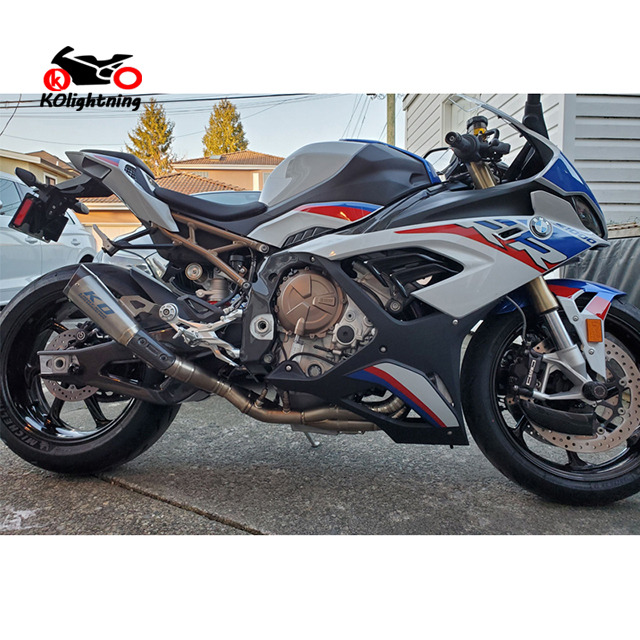
The visual shift of a pristine exhaust header turning a vivid blue, purple, or gold is a common source of anxiety for motorcycle owners. Discoloration is a direct physical reaction to extreme exhaust gas temperatures. While sometimes a harmless byproduct of normal heat cycling, it frequently indicates a dangerous air-to-fuel ratio imbalance. Specifically, a lean condition can cause premature engine wear or exhaust component failure if left unaddressed.
Understanding the thermodynamics and metallurgy behind exhaust bluing is necessary for long-term engine health. Heat changes the molecular structure of the metal surface, creating an oxide layer that reflects light differently. This guide breaks down how to diagnose engine health based on pipe color. You will learn how to assess the structural integrity of your current setup and evaluate whether a tuning intervention or an upgraded Motorcycle Exhaust System is required to manage thermal loads effectively.
Color Indicates Temperature: Blue oxidation typically points to extreme heat often caused by a lean fuel mixture, while gold or yellow can indicate a slightly rich mixture or lower-tier heat cycling.
Material Dictates the Reaction: Titanium, stainless steel, and chrome-plated steel each possess distinct thermal thresholds and oxidation patterns; titanium bluing is often intentional and structural, whereas chrome bluing is usually cosmetic damage.
Tuning is Non-Negotiable: Modifying airflow without adjusting the ECU or carburetor will alter EGTs, accelerating discoloration and risking engine damage.
Upgrade Pathways Address Root Causes: Transitioning from a restrictive stock setup to a high-flow slip-on exhaust system or full exhaust system can drastically reduce localized heat retention when paired with proper fuel management.
The Thermodynamics of Exhaust Discoloration
Exhaust pipes change color due to a process called oxidation. When metal reaches extreme temperatures, the surface reacts with oxygen in the air. This reaction alters the crystalline structure of the metal, creating a microscopic oxide layer. As light hits this layer, it refracts, producing the interference colors we see as gold, blue, or purple. The thicker the oxide layer, the further along the color spectrum the metal shifts.
Repeated, extreme heating and cooling cycles accelerate this process. When you ride hard and then park the bike, the headers and downpipes experience rapid thermal cycling. This constant expansion and contraction speeds up metal crystallization and surface oxidation much faster than steady-state heat. The thermal shock locks in the oxide coloration permanently unless physically or chemically removed.
Specific colors map directly to exhaust gas temperature ranges. While exact thresholds vary slightly by alloy, pale yellow typically appears around 400 degrees Fahrenheit. As temperatures climb to 500 degrees, the metal turns a deeper gold. Once temperatures exceed 600 degrees, the metal shifts into the blue and purple spectrum. Normal heat cycling usually causes some light gold or mild blue right at the exhaust port where gases are hottest. Abnormal heat cycling pushes dark blue and purple discoloration far down the header pipes, indicating excessive thermal loads.
Initial Heating: Metal reaches 400°F, forming a thin oxide layer that appears pale yellow.
Sustained Load: Temperatures hit 500°F, thickening the oxide layer and shifting the color to deep gold or amber.
Extreme Heat: Temperatures exceed 600°F, creating a dense oxide layer that refracts blue and purple light.
Overheating: Temperatures push past 700°F, turning the metal dark gray or black, often indicating structural fatigue.
Why Motorcycle Downpipes Discolor Faster Than Car or Tractor Exhausts
Motorcycles utilize ultra-thin, single-wall pipes to reduce weight and maximize heat dissipation. Cars and tractors rely on heavy cast iron or thick-walled, insulated manifolds that absorb and distribute heat slowly. The thin-walled tubing on a motorcycle heats up almost instantly when the engine fires, making it highly susceptible to rapid oxidation.
Motorcycle pipes also sit directly exposed to the open air. This direct exposure to the elements causes rapid cooling of hot metal the moment you stop moving. Rain, wind, and ambient air intensify the thermal shock cycle. Automotive manifolds are tucked away inside engine bays, shielded from sudden temperature drops.
Furthermore, motorcycle engines operate at significantly higher RPM ranges than utility or automotive engines. A tractor might max out at 2,500 RPM, while a sportbike easily exceeds 14,000 RPM. Higher engine speeds mean more combustion events per second, leading to sustained higher exhaust gas temperatures directly at the exhaust port.
How Different Exhaust Materials React to Heat
Titanium offers high heat tolerance and oxidizes into vibrant blues and purples rapidly. Many riders seek out titanium specifically for this aesthetic. However, titanium requires precise tuning. Excessive heat without proper fuel management leads to structural embrittlement, causing the thin metal to crack under vibration.
Stainless steel turns a golden-brown, amber, or dull blue under heat. It is highly durable and resists cracking better than titanium. Sustained high temperatures will cause permanent cosmetic alteration, turning the metal a hazy, dark gray-blue that requires heavy polishing to remove.
Chrome-plated steel behaves differently. Chrome itself does not turn blue. When a chrome pipe turns blue, the underlying nickel or steel has overheated and burned through the plating. This indicates a complete failure of the thermal barrier and usually means the pipe is permanently damaged cosmetically.
Material
Heat Tolerance
Primary Discoloration
Structural Risk Under Extreme Heat
Titanium
Very High
Vibrant Blue / Purple
Embrittlement and cracking
Stainless Steel
High
Gold / Amber / Dull Blue
Warping over long periods
Chrome-Plated Steel
Moderate
Dark Blue (Burn-through)
Plating flaking and rust
Diagnosing the Color: What Blue vs. Gold Means for Engine Health
Identifying whether the discoloration is a symptom of mechanical inefficiency or standard operation is the first step in exhaust maintenance. Reading the pipes gives you a direct look into the combustion chamber's health. When you pull a header off a bike, the metal tells a story about how the engine is breathing.
Blue Pipes: The Lean Condition and Excessive Heat
An excess of air and a lack of fuel creates a hotter, slower combustion event. This is known as a lean burn. Because the mixture burns slower, the exhaust valve opens while the fuel is still combusting. This spills raw fire and extreme heat directly into the downpipes, turning them blue.
Common causes for a lean condition include unmapped intake modifications, vacuum leaks around the throttle bodies, or restrictive factory emissions standards. Manufacturers often tune bikes to run lean from the factory to pass strict emissions regulations, which is why even brand-new bikes can develop blue headers quickly.
Riding with a severely lean condition poses major mechanical risks. The excessive heat threatens to burn exhaust valves, damage piston crowns, and accelerate exhaust metal fatigue. Addressing a lean condition immediately prevents costly engine rebuilds.
Gold/Yellow Pipes: Rich Conditions and Carbon Build-up
When an engine runs rich, it receives too much fuel and not enough air. Unburnt fuel enters the exhaust tract and can ignite inside the header or downpipe. This secondary combustion causes localized yellowing or golding on the metal surface.
Rich conditions also lead to heavy carbon fouling. Soot builds up inside the pipes, acting as an insulator that traps heat. This carbon buildup restricts exhaust scavenging, reducing engine power and throttle response over time. You will often see black soot accumulating at the tailpipe when the bike is running rich.
Evaluating Your Current Motorcycle Exhaust System: Fix or Replace?
Determining if the current system can be salvaged through tuning and polishing depends on the severity of the thermal damage. If the metal remains structurally sound without cracks or severe pitting, you can often restore the finish. If the metal is brittle or the chrome is peeling, component replacement is necessary.
Removing discoloration requires specific techniques. Chemical restorers use acid-based neutralizing solutions to chemically strip the oxide layer without scratching the metal. Abrasive polishing utilizes specialized metal polishes to physically buff out the discoloration. Both methods require significant elbow grease.
There is a major catch to polishing. It is a temporary fix that strips thin layers of protective metal and passivation. This leaves the downpipes more vulnerable to rapid re-oxidation. If you polish the pipes but leave the underlying air-fuel ratio uncorrected, the pipes will turn blue again almost immediately. I have seen riders spend hours buffing out blue chrome, only to have it return on the next ride because they ignored the fuel map.
Many OEM systems mask heat issues using double-walled pipes. These pipes feature an inner tube that carries the hot gases and an outer shield that stays cooler and retains its chrome or stainless finish. If the outer shield of a double-walled pipe shows blue discoloration, the inner pipe is likely experiencing catastrophic heat failure.
Upgrading to Manage Heat: Slip-on Exhaust System vs. Full Exhaust System
Replacing factory components with aftermarket architectures helps manage exhaust gas temperatures and improve volumetric efficiency. Choosing the right setup depends on your performance goals and thermal management needs.
The Role of a Slip-on Exhaust System in Thermal Management
A Slip-on Exhaust System replaces the factory muffler and mid-pipe. It reduces backpressure and allows hot gases to exit the system faster. By removing the restrictive factory muffler, heat escapes the rear of the bike more efficiently.
However, slip-ons have limitations. They retain the factory headers where bluing primarily occurs. A slip-on will not solve header discoloration on its own. In fact, installing a high-flow slip-on without an ECU tune can introduce more air into the system, worsening a lean condition and increasing header heat.
This setup is ideal for riders seeking sound enhancement, minor weight reduction, and slight heat reduction at the rider's heel or leg area without a complete teardown.
The Role of a Full Exhaust System in Total Thermal Efficiency
A Full Exhaust System replaces the entire system from the engine block to the tailpipe. These systems often feature stepped headers to optimize exhaust gas velocity and scavenging, pulling hot gases away from the engine rapidly.
The primary heat dissipation advantage comes from eliminating restrictive factory catalytic converters. Catalytic converters are massive sources of trapped heat, often glowing red hot under heavy loads. Removing them and utilizing superior aftermarket alloys drastically lowers overall system temperatures.
This path is ideal for riders requiring maximum performance, complete thermal management, and those addressing severe factory lean conditions through comprehensive tuning.
Decision Framework: Selecting the Right Exhaust Configuration
Aligning material choices and system types with your riding goals ensures you get the most out of your investment. You must weigh the desire for the burnt titanium look against the maintenance realities of keeping stainless steel looking clean.
Consider the trade-offs between weight reduction and durability. Ultra-light thin-wall titanium sheds pounds but is prone to rapid color change and potential cracking under stress. Thicker gauge stainless steel adds slight weight but offers superior long-term durability against vibration and heat.
Alternative thermal management solutions can also help. Ceramic coatings applied internally and externally contain exhaust gas temperatures within the pipe, preventing external bluing and keeping ambient engine temperatures down. Fiberglass heat wraps serve a similar purpose but can trap moisture and accelerate rust on lower-grade steel.
Implementation Risks: Tuning, Fuel Management, and Compliance
Modifying your exhaust requires addressing specific mechanical dependencies. Installing a high-flow system without correcting the air-fuel ratio will immediately cause severe bluing and potential engine damage. The engine will run dangerously lean as it pushes more air out without receiving additional fuel.
ECU flashing and piggyback tuners are necessary to correct this imbalance. A proper tune adds the required fuel to match the increased airflow, cooling the combustion chamber and preventing the headers from overheating.
You must also navigate emissions and warranty implications. Removing catalytic converters violates local noise and emissions compliance in many regions. Altering the factory emissions equipment will also void the manufacturer's powertrain warranty. Always verify local regulations before removing factory heat management systems.
Check local noise ordinances before removing the factory muffler.
Verify emissions testing requirements in your state or country.
Review your motorcycle's warranty terms regarding aftermarket modifications.
Consult a professional tuner to ensure your fuel map matches your new hardware.
Conclusion
Inspect your spark plugs immediately to confirm if the engine is running lean or rich.
Consult a professional dyno tuner to verify your air-fuel ratio before installing new exhaust components.
Evaluate aftermarket exhaust materials based on your actual thermal requirements and maintenance tolerance rather than just aesthetics.
Apply a high-quality ceramic coating to new headers before installation to permanently prevent future discoloration.
FAQ
Q: Can I polish the blue out of my motorcycle exhaust pipes?
A: Yes, you can remove blue discoloration using specialized abrasive metal polishes or chemical acid-based restorers. However, polishing removes a microscopic layer of metal. If you do not fix the underlying lean condition causing the heat, the pipes will turn blue again very quickly.
Q: Does a blue exhaust always mean my motorcycle is running lean?
A: Not always. While a lean air-fuel ratio is the most common cause of excessive heat and bluing, normal high-RPM riding on thin-walled, single-ply headers will cause some natural bluing near the exhaust port over time.
Q: Will a slip-on exhaust system stop my headers from turning blue?
A: No. A slip-on only replaces the muffler and mid-pipe. It retains the factory headers where the bluing happens. Installing a slip-on without tuning the ECU can actually make the bike run leaner, accelerating header discoloration.
Q: Why do titanium exhaust systems turn purple and blue so quickly?
A: Titanium has a unique metallurgical structure that reacts rapidly to heat and oxygen. It oxidizes much faster than stainless steel, creating thick oxide layers that refract light into vibrant blue and purple spectrums at lower temperature thresholds.
Q: Is it safe to ride a motorcycle with a severely blued exhaust pipe?
A: If the bluing extends far down the pipe and turns dark purple or black, it indicates a severe lean condition. Riding in this state is unsafe for the engine and can lead to burnt valves or piston damage. Have the tune checked immediately.