Contents
Introduction
Understanding Engine Heat and Exhaust Systems
Role of a Muffler in Engine Temperature Regulation
Effects of Removing the Muffler on Engine Performance
The Science Behind an Engine Running Hotter Without a Muffler
Impact on Fuel Efficiency and Engine Longevity
How a Universal Motorcycle Muffler Helps in Temperature Control
Risks and Consequences of Running Without a Muffler
Conclusion
FAQ
Introduction
The engine temperature is a critical factor in the overall performance and longevity of a vehicle. When it comes to motorcycles, this is no different. A muffler plays an essential role in regulating the exhaust gases that exit the engine. Its primary purpose is noise reduction, but it also serves as a crucial component in managing engine heat. However, when the muffler is removed, a motorcycle engine can run hotter than usual, potentially leading to several issues. Understanding why this happens is crucial for motorcycle owners, especially those considering modifications to their exhaust system. In this article, we’ll explore the reasons why an engine runs hotter without a muffler and how a universal motorcycle muffler can help maintain optimal engine performance.
Understanding Engine Heat and Exhaust Systems
Before diving into the specifics of why an engine runs hotter without a muffler, it’s important to understand how the engine heat is generated and managed. Engines produce heat as a byproduct of combustion, and the exhaust system plays a pivotal role in carrying away the hot gases. The exhaust system, which includes components like the exhaust pipes, catalytic converter, and muffler, is designed to route these gases away from the engine.
When the exhaust gases pass through the system, they cool down to some extent before being released into the atmosphere. A well-designed exhaust system allows the engine to expel these gases efficiently while managing temperature, reducing noise, and improving performance. A muffler is an integral part of this system, particularly in controlling noise, but it also influences the overall thermal balance of the engine.

Role of a Muffler in Engine Temperature Regulation
A muffler does more than just reduce the noise produced by the engine’s exhaust. It also plays a significant role in controlling the temperature of the engine by influencing how the exhaust gases are channeled out of the system.
Heat Dissipation: The muffler helps to dissipate some of the heat generated during combustion. As exhaust gases pass through the muffler, they undergo cooling due to the presence of sound-absorbing materials and perforated tubes designed to slow down the exhaust flow. This cooling effect helps prevent the engine from overheating.
Regulation of Backpressure: The muffler also helps regulate exhaust backpressure, which is the resistance the exhaust gases face as they leave the engine. Too little backpressure can cause the engine to run at higher temperatures, while proper backpressure ensures that the exhaust system functions optimally, balancing both heat and pressure.
Removing the muffler can disturb this delicate balance, causing the engine to run hotter than usual. Without the muffler, the exhaust gases exit the engine more rapidly, which can result in a less efficient heat dissipation process.
Effects of Removing the Muffler on Engine Performance
While removing the muffler might improve sound and reduce weight, it can have a negative impact on the engine's performance, especially when it comes to temperature regulation. Here are some key effects:
Increased Engine Heat: Without the muffler’s cooling mechanisms, the exhaust gases do not undergo as much cooling, leading to higher temperatures in the engine.
Reduced Engine Efficiency: The removal of the muffler can cause the engine to work harder to expel exhaust gases, leading to an increase in engine temperature and a drop in fuel efficiency.
Risk of Engine Damage: Prolonged exposure to high temperatures can cause various engine components, such as pistons, cylinders, and valves, to wear out more quickly. This can reduce the engine’s lifespan and lead to costly repairs.
Noise Pollution: In addition to heat-related issues, removing the muffler increases the noise produced by the motorcycle, which can be disruptive and illegal in many places.
The Science Behind an Engine Running Hotter Without a Muffler
To better understand why the engine runs hotter without a muffler, it’s essential to look at the science of exhaust flow and thermal dynamics.
Exhaust Gas Expansion: After combustion, the exhaust gases are extremely hot and pressurized. When these gases are released into the open without the muffler, they expand rapidly. This expansion leads to a higher temperature of the gases still within the engine system, causing increased engine temperatures.
Increased Exhaust Speed: Without the muffler to restrict and slow the flow of exhaust gases, the speed at which they exit the engine increases. This accelerates the heat transfer, but the lack of controlled cooling results in higher engine temperatures.
Heat Build-Up: The muffler helps to maintain a balance in the engine's thermal environment by controlling the exhaust gas flow. Without it, the heat build-up inside the engine increases, which in turn affects the overall functioning of the vehicle.
This interplay between gas expansion, exhaust speed, and heat build-up is why the engine runs hotter without the muffler.
Impact on Fuel Efficiency and Engine Longevity
As the engine operates at higher temperatures due to the lack of a muffler, several negative consequences can arise:
Fuel Efficiency: Higher engine temperatures can cause the engine to burn fuel less efficiently. This leads to increased fuel consumption and reduced overall performance.
Engine Wear: Consistently running an engine at high temperatures accelerates the wear and tear on engine components. Over time, this can result in more frequent maintenance needs and potentially lead to engine failure.
Using a universal motorcycle muffler can mitigate these issues. By ensuring the proper flow and cooling of exhaust gases, a muffler helps maintain a balanced engine temperature, which improves fuel efficiency and extends the engine's lifespan.
How a Universal Motorcycle Muffler Helps in Temperature Control
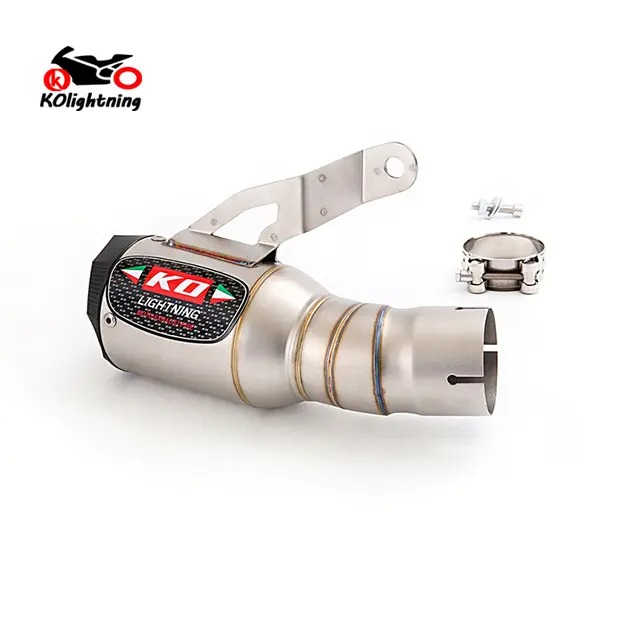
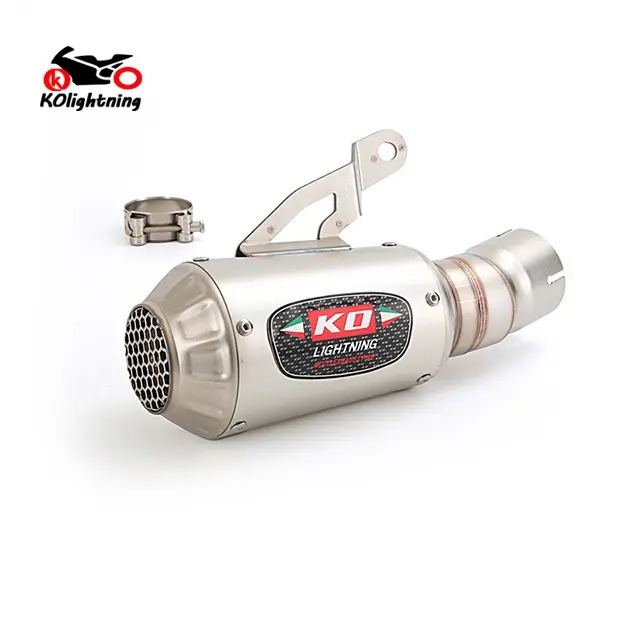
A universal motorcycle muffler can be a simple yet effective solution for managing engine temperature. Here’s how:
Heat Regulation: Universal mufflers are designed to provide efficient heat dissipation by slowing down exhaust gas flow and allowing the gases to cool before being expelled from the system.
Improved Exhaust Flow: These mufflers are designed to maintain optimal backpressure, ensuring that exhaust gases are expelled at the right speed and pressure. This helps maintain engine temperature and overall performance.
Noise Reduction: In addition to managing engine temperature, universal motorcycle mufflers also reduce noise pollution, providing a quieter, more enjoyable ride.
By installing a universal motorcycle muffler, riders can ensure their engine remains cool and efficient, even in demanding conditions.

Risks and Consequences of Running Without a Muffler
While some riders may enjoy the louder sound and potential performance boost from removing the muffler, there are significant risks involved:
Overheating: As discussed, an engine runs hotter without a muffler, which can lead to overheating. This is especially problematic during long rides or in stop-and-go traffic, where engine heat can quickly build up.
Legal Issues: In many regions, motorcycles without mufflers are illegal due to noise pollution regulations. Removing the muffler can result in fines or legal complications.
Environmental Impact: Increased engine temperature can lead to more emissions being produced, which can negatively affect the environment.
Using a universal motorcycle muffler provides an easy way to avoid these issues while maintaining optimal engine performance.
Conclusion
In conclusion, the removal of a muffler can significantly affect engine temperature regulation, leading to higher temperatures and potential performance issues. The muffler serves not only to reduce noise but also to manage the heat produced by the engine and ensure the proper expulsion of exhaust gases. Without it, the engine faces risks such as overheating, reduced fuel efficiency, and accelerated wear and tear on critical components. Installing a universal motorcycle muffler helps maintain a balanced engine temperature, ensuring better performance, longer engine life, and compliance with noise regulations.
For motorcycle enthusiasts, understanding the impact of the muffler on engine heat is essential for making informed decisions about modifications and ensuring the longevity of the vehicle.
FAQ
Q: Can I drive my motorcycle without a muffler?
A: While it is technically possible to ride without a muffler, it is not recommended. The engine will run hotter, potentially causing damage over time. Additionally, it may be illegal in some areas due to noise regulations.
Q: How does a muffler reduce engine temperature?
A: A muffler helps by slowing down the exhaust gases, allowing them to cool before being expelled. It also regulates backpressure, ensuring that exhaust flow remains optimal for temperature management.
Q: What are the benefits of a universal motorcycle muffler?
A: A universal motorcycle muffler helps control exhaust gas temperature, reduces noise, improves engine efficiency, and ensures compliance with environmental regulations. It is a practical solution for maintaining engine health and performance.
Q: Will removing the muffler make my motorcycle faster?
A: While removing the muffler may reduce weight and improve exhaust flow, it can also lead to overheating, reduced efficiency, and long-term damage to the engine. A muffler is essential for optimal engine performance.