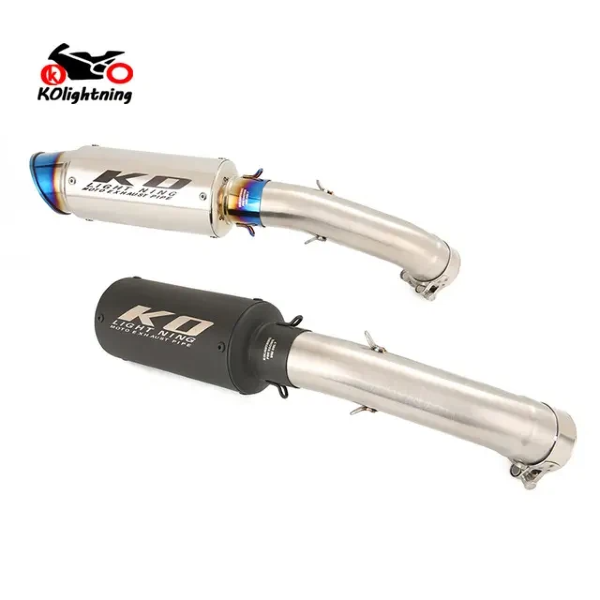
Every engine creates burned gases, but those gases cannot simply stay where they are. A kawasaki exhaust system exists to move them out in a controlled way, and that route affects far more than noise alone. It influences heat, flow, throttle feel, and even how refined the bike feels on the road. KOlightning has focused on motorcycle exhaust products since 2015, so this question comes up often from riders who want to understand not just what an exhaust looks like, but what it is actually doing every time the engine fires.
What Happens After Combustion?
The process begins inside the engine. After combustion takes place, hot exhaust gases need to leave the cylinder quickly so the next cycle can happen efficiently. Those gases first move out from the combustion chamber and enter the front section of the exhaust. From there, they travel through the pipe path toward the rear of the motorcycle and finally exit through the muffler.
That sounds simple, but the route matters. If gases leave smoothly, the engine can keep working in a more stable and efficient rhythm. If the flow is too restricted, poorly balanced, or disrupted by a weak design, the bike may feel heavier, less responsive, or harsher in sound. The exhaust is not just there to remove waste gas. It helps shape how the engine breathes and how the rider experiences the machine.
Heat control is part of that job as well. The system is constantly handling very high temperatures, so its design and material quality affect not only durability but also how well the bike manages real-world riding conditions. This is one reason exhaust design deserves more attention than many first-time buyers expect.
")
Which Parts Do the Real Work?
Headers and the first stage of flow
The headers are the first major section of the exhaust system. They connect directly to the engine and carry gases away from the cylinders. Because they sit at the beginning of the route, they play a major role in shaping how exhaust pulses move out of the engine.
This first stage matters because the flow pattern starts here. The length, shape, and overall layout of the headers can influence how easily the engine clears spent gases. Riders may not always see that effect directly, but they often feel it in how cleanly the bike responds and how naturally power builds.
Link pipe or mid-pipe
After the gases pass through the headers, they move into the link pipe or mid-pipe. This section acts as the transition zone between the front part of the system and the rear exit area. It may look simple from the outside, but it has a real effect on how smoothly the gases continue through the exhaust.
The pipe diameter and shape matter here because they influence how controlled the flow remains. If the design is too abrupt or poorly matched, turbulence can increase and the result may hurt smoothness rather than help it. A better-designed section keeps the gases moving with less disruption, which can contribute to a cleaner throttle feel and a more polished sound character.
Muffler and final exit
The muffler is the final major stage before the gases leave the bike. Many riders focus on the muffler because it is the most visible and most closely linked to sound, but its job is more complex than simply making the bike quieter. A good muffler manages how exhaust pulses are released and shapes the final tone of the system.
This is why two exhausts can both be called performance products while sounding completely different. Internal construction, outlet design, and overall balance all influence the final result. The muffler affects how sharp, deep, smooth, or aggressive the bike sounds, while still allowing the gases to exit in a controlled way.
Parts of a Kawasaki Exhaust System and Their Jobs
Part | What It Does | Effect on Sound | Effect on Performance |
Headers | Carry gases away from the engine | Minor direct change, influences tone character | Helps shape initial flow and engine breathing |
Link Pipe or Mid-Pipe | Guides gases toward the rear section | Can change sharpness and smoothness | Affects flow stability and response |
Muffler | Controls final gas exit and sound | Major influence on tone and volume | Can affect overall ride feel and flow balance |
What Is Back Pressure and Why Do Riders Talk About It So Much?
Back pressure is one of those terms riders hear often, even when they are not fully sure what it means. In simple terms, it refers to the resistance exhaust gases face as they move through the system. Too much resistance can make the engine feel restricted. Too little control is not automatically better either.
This is where many misunderstandings start. Some riders assume the most open exhaust is always the best one, but exhaust design is not just about making a path as empty as possible. The goal is controlled flow. The system should let gases leave efficiently while keeping the flow balanced enough that the engine still feels smooth and usable across normal riding conditions.
A poorly chosen setup can create the opposite of what the rider wanted. Instead of feeling stronger, the bike may feel rougher, less settled, or weaker in the parts of the rev range used most often on the street. That is why back pressure matters. It reminds riders that good exhaust design is about matching the system to the bike, not simply removing as much restriction as possible.
How Can the Exhaust Change Sound, Throttle Feel, and Power?
Why a better-flowing system can feel more responsive
When gases leave the engine more smoothly, the engine can complete its cycle with less disruption. That is why a better-flowing exhaust often feels more responsive. Riders may notice cleaner pickup, a less heavy feel, or a more direct connection when they open the throttle.
The change is usually more about quality of response than dramatic power numbers. A good exhaust system can make the bike feel more willing and less held back, especially if the stock system was built mainly around quiet operation and broad cost control. That kind of improvement is often more useful in daily riding than exaggerated claims about peak performance.
Why sound changes so much
Sound changes because the exhaust system shapes how pulses leave the engine. Pipe length, diameter, muffler structure, and internal design all influence tone and volume. A short and open design may sound sharper and more aggressive, while a more controlled internal layout may sound deeper or smoother.
This is one reason exhaust upgrades are so personal. Riders do not only hear loud versus quiet. They notice the character of the sound. A better system may make the bike sound cleaner, richer, or more in line with its engine size and riding style. That emotional side matters, because sound is one of the first things riders notice after installation.
Why Do Some Setups Need Tuning After Installation?
Not every exhaust change requires tuning, but some setups benefit from it more than others. When the exhaust flow changes significantly, especially with a full system, the engine may respond better if fuel and air settings are adjusted to match that new flow path. Without that balance, the rider may not get the smoothness or consistency expected from the upgrade.
This does not mean tuning is always mandatory. A simpler rear-section change may work well with minimal adjustment on many bikes. But larger changes to the system can shift how the engine behaves, and in those cases tuning becomes a practical way to help the bike run more cleanly and predictably.
The best approach is to stay realistic and model-aware. Exhaust upgrades do not all ask the same things from the motorcycle. Riders who understand that will make better decisions and avoid disappointment after installation.
Conclusion
A kawasaki exhaust system works by guiding hot gases out of the engine in a controlled path that balances flow, heat, sound, and riding response. Once riders understand how the headers, mid-pipe, and muffler work together, it becomes much easier to understand why one exhaust feels smoother, sounds better, or responds differently from another. KOlightning builds products with that full picture in mind, using durable materials and performance-focused design to support real riding needs rather than empty claims. If you are comparing options for your bike and want a clearer view of how exhaust design affects daily performance, explore the right motorcycle exhaust system for your setup and contact us for more details.
FAQ
Does a Kawasaki exhaust system only affect sound?
No. It also affects gas flow, heat management, throttle feel, and the overall riding character of the motorcycle.
Why does back pressure matter in an exhaust system?
Back pressure matters because the engine needs controlled flow, not just the most open pipe possible. Poor balance can hurt smoothness and ride feel.
Which part changes the sound the most?
The muffler usually has the biggest direct effect on tone and volume, but headers and pipe design also influence the final sound character.
Will a full exhaust system always need tuning?
Not always, but larger changes in exhaust flow often benefit from tuning so the engine can match fuel and air delivery more effectively.