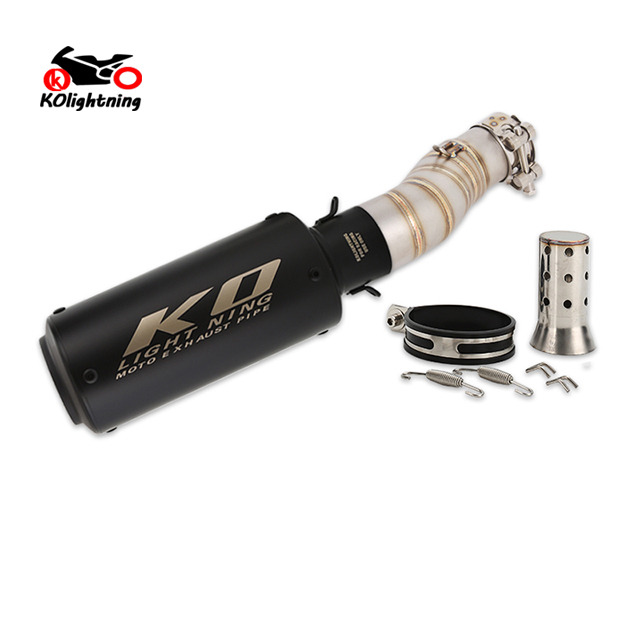
Exhaust drone is a low-frequency acoustic resonance that occurs when engine pulse frequencies match the natural resonant frequency of your exhaust tubing. The physical and auditory fatigue caused by this constant, low-frequency hum during highway riding can turn a dream motorcycle into an unrideable machine. Upgrading a Motorcycle Exhaust System to improve performance and aesthetics often inadvertently introduces this drone. It ruins ride quality, causes headaches, disrupts helmet intercom communications, and limits touring capability. Understanding the acoustic physics behind exhaust drone is the first step to accurately diagnosing the issue. You need to know exactly how sound waves interact inside metal pipes before you start throwing money at replacement parts. We will break down how to select the right aftermarket components or modifications to eliminate this resonance without sacrificing engine performance. Fixing drone requires targeted acoustic interventions, not just stuffing more fiberglass into a muffler.
Key Takeaways
Exhaust drone is an acoustic resonance phenomenon (typically between 30-80 Hz) that occurs when engine pulse frequencies match the natural resonant frequency of the exhaust tubing.
The architectural choice between a slip-on exhaust system and a full exhaust system heavily dictates the likelihood, severity, and frequency range of the drone.
Eliminating drone requires targeted acoustic interventions—such as phase cancellation via Helmholtz resonators or altering pipe mass—rather than simply packing more sound-deadening material into the muffler.
Resolving drone is a functional necessity for rider safety and stamina; prolonged exposure to low-frequency resonance accelerates rider fatigue, degrades pillion passenger comfort, and risks permanent hearing damage.
The Physics of Exhaust Drone: What Exactly Is Happening?
Acoustic Resonance and Frequency Matching
Drone is technically standing sound waves amplifying within the exhaust tubing. This 30-80 Hz vibration manifests clearly at steady RPMs. The sound waves bounce back and forth inside the pipes. They compound their energy and create a continuous, vibrating hum. When the frequency of the exhaust pulses matches the natural frequency of the pipe, resonance occurs. This is basic acoustic physics applied to a metal tube. The standing wave does not exit the tailpipe efficiently. Instead, it gets trapped and vibrates the actual metal of the exhaust system. This vibration transfers through the frame and directly into the rider. You feel it in your chest and hear it echoing inside your helmet. It is a physical wave of energy that requires a physical interruption to stop.
Acoustic Volume vs. Resonant Frequency
A loud exhaust produces high decibels across the entire rev range. A droning exhaust creates frequency-specific helmet resonance. A quiet exhaust system can still produce unbearable drone. This happens if the internal frequencies align perfectly with the pipe dimensions. Volume is just the amplitude of the sound wave. Resonance is the timing of the sound waves stacking on top of each other. You can have a muffler that passes a decibel meter test at the track but still gives you a migraine on the highway. Sound-deadening materials like fiberglass absorb high-frequency noise very well. They do almost nothing to stop low-frequency standing waves. This is why simply repacking a muffler rarely cures a severe drone problem.
The Role of Engine Configuration and RPM
Different engine firing orders generate distinct exhaust pulse intervals. V-twins, inline-fours, parallel-twins, and crossplane cranks all push exhaust gases differently. These pulses dictate the base frequency entering the pipes. The engine configuration directly influences where the drone frequency will peak. A large displacement V-twin pushes massive, spaced-out pulses of air. This creates a lower frequency drone that hits hard at low RPMs. An inline-four pushes smaller, rapid-fire pulses. This creates a higher frequency drone that usually appears higher up in the rev range. Understanding your specific engine layout helps predict where the standing waves will form. You cannot change your engine firing order, so you must tune the exhaust pipes to handle the specific pulses your motor generates.
Identifying the Drone Zone
Drone typically peaks during steady-state cruising. You will notice it most at highway speeds between 3,000 and 5,000 RPM. Hard acceleration or deceleration changes the frequency too quickly. Standing waves do not have time to form under heavy throttle changes. When you hold the throttle steady, the engine pumps out a consistent frequency. If that frequency matches the pipe resonance, the drone builds up and sustains itself. This is why track riders rarely complain about drone. They are constantly changing RPMs and shifting gears. Highway touring riders suffer the most because they sit in the exact RPM range where the standing waves thrive for hours at a time.
How Your Motorcycle Exhaust System Architecture Contributes to Drone
Factory vs. Aftermarket Configurations
OEM systems rarely drone under normal riding conditions. Manufacturers spend millions on acoustic engineering. They use heavy multi-chambered mufflers and catalytic converters. They also integrate pre-muffler expansion chambers. These components disrupt standing waves effectively before they reach the rider. Factory systems force the exhaust gases to navigate a maze of baffles and chambers. This breaks up the sound waves and prevents resonance. Aftermarket systems prioritize exhaust flow and weight reduction. They remove these chambers and replace them with straight, smooth pipes. This creates the perfect environment for standing waves to form. You trade acoustic comfort for horsepower and a lighter motorcycle.
Component Culprits: Headers vs. Link-Pipes vs. Mufflers
The link-pipes often act as the primary acoustic resonators. They provide the straight, uninterrupted length needed for standing waves to build. Headers dictate gas velocity, but the mid-pipe is where resonance usually amplifies. The length and diameter of the mid-pipe determine its natural resonant frequency. If you change the mid-pipe, you change the acoustic profile of the entire motorcycle. Mufflers get most of the blame for drone, but they are often just the exit point for resonance created further upstream. Identifying which section of pipe is generating the standing wave is critical for fixing the problem.
Slip-on Exhaust System Dynamics
Retaining factory headers while changing only the muffler alters the acoustic cavity. Poorly packed or straight-through designs act as echo chambers. They amplify low frequencies significantly. Upgrading to a Slip-on Exhaust System requires careful muffler selection to avoid creating a resonance trap. A slip-on removes the final factory acoustic chamber. If the new muffler is just a straight perforated tube wrapped in fiberglass, it will not stop low-frequency waves. The standing waves generated in the factory mid-pipe will pass straight through the new muffler and hit your ears. High-quality slip-ons include engineered internal baffles to break up these waves without restricting flow.
Full Exhaust System Vulnerabilities
Altering pipe diameter and removing the catalytic converter impacts acoustics. Increased exhaust gas velocity changes the resonant frequency of the entire setup. A Full Exhaust System removes factory sound-damping bottlenecks. This makes resonance management a crucial part of the installation. When you install a full system, you are building a completely new acoustic instrument. The lack of a catalytic converter removes a massive sound barrier. The exhaust pulses travel faster and hit harder. This often shifts the drone frequency higher up the RPM range. Tuning a full system requires physical modifications like adding resonators or specific baffle inserts to manage the new acoustic profile.
Diagnosing the Source of the Drone
Identifying the RPM Range and Gear
Test your motorcycle to isolate the exact speed and gear where resonance peaks. Note these metrics on a safe stretch of highway. Knowing the exact RPM range helps pinpoint the specific frequency causing the issue. You need hard data to fix drone. Ride the bike and watch the tachometer. Find the exact RPM where the humming starts and where it stops. Note if it happens in every gear or just overdrive. This information tells you the exact frequency of the standing wave. Once you know the frequency, you can calculate the length of a resonator needed to cancel it out. Do not guess. Get on the highway and document the drone zone.
Evaluating the Impact on Rider and Pillion
Drone propagates differently through various helmet types and seat positions. Drone-induced vibration often transfers directly to a passenger. It easily drowns out Bluetooth intercom headsets and accelerates rider fatigue on long trips. The pillion passenger usually sits directly above the mufflers. They take the brunt of the acoustic resonance. If your passenger complains about a headache or vibrating footpegs, you have a drone problem. Test the bike with different helmets. Some helmets amplify low frequencies, making the drone seem worse than it is. If the drone persists regardless of the helmet, the exhaust system needs physical modification.
Inspecting Physical Components and Mounts
Differentiate between acoustic drone and mechanical vibration. Check for rigid mounting points or loose exhaust hangers. Look for missing rubber isolators. These faults transfer exhaust vibration directly to the motorcycle chassis, mimicking acoustic drone. A metal-to-metal contact point on an exhaust hanger will vibrate the entire frame. This feels and sounds exactly like acoustic resonance. Before you start cutting pipes or buying new mufflers, inspect every mounting bolt. Ensure all rubber grommets are intact and pliable. A five-dollar rubber isolator can often cure what feels like a massive acoustic drone problem.
Evaluating Muffler Packing Degradation
Fiberglass or basalt packing material breaks down over time. This degradation reduces high-frequency absorption. The result leaves only the low-frequency drone bouncing through the metal shell. Repacking restores the acoustic balance. Exhaust gases are incredibly hot and corrosive. They eventually burn out the packing material inside any straight-through muffler. When the packing degrades, the muffler shell becomes an empty echo chamber. Tap the outside of the muffler with a rubber mallet. If it sounds hollow and metallic, the packing is gone. Drill out the rivets, pull the core, and wrap it with fresh, high-density basalt packing.
Proven Methods to Eliminate Motorcycle Exhaust Drone
Installing a Helmholtz Resonator (J-Pipe)
Phase cancellation is highly effective for eliminating drone. You calculate the drone frequency and add a capped side-pipe. This bounces sound waves back out of phase. It cancels the drone without restricting exhaust flow. A Helmholtz resonator is a piece of pipe welded to the exhaust system that goes nowhere. It is capped at the end. The sound waves enter the tube, bounce off the cap, and re-enter the main exhaust stream exactly out of phase with the incoming waves. This destroys the standing wave completely. It requires precise math to calculate the correct length of the J-pipe based on your specific drone RPM. When done correctly, it is the holy grail of drone elimination.
Performance-Preserving Baffles and DB Killers
High-quality inserts alter exhaust gas flow velocity. They break up standing sound waves inside the muffler. Cheap, restrictive baffles hurt horsepower. Engineered, flow-optimized baffles target specific frequencies efficiently without choking the engine. A good DB killer does more than just plug the hole. It uses angled louvers or perforated cones to scatter the sound waves. This prevents the waves from stacking up and resonating. You want a baffle that forces the sound waves to change direction without significantly slowing down the exhaust gas. Avoid cheap washer-style baffles that just block the pipe. They will kill your top-end power and increase engine heat.
Upgrading or Repacking the Muffler
Chambered mufflers handle resonance better than straight-through perforated cores. Repacking is often the most viable solution when internal materials burn out. Fresh packing absorbs the errant sound waves before they resonate. If you are running a cheap, empty slip-on, no amount of tuning will fix the drone. You need a muffler with internal architecture designed to manage sound. Look for mufflers that use a combination of mechanical baffles and sound-absorbing packing. If you already have a good muffler, maintain it. Repack it every 10,000 miles or whenever the exhaust note starts getting raspy and hollow.
Exhaust Wrapping and Mass Loading
Fiberglass exhaust wrap or bolted-on mass dampers change the physical weight of the pipes. This alters the resonant frequency of thin-walled metal. It pushes the drone out of your normal cruising RPM range. Adding mass to a vibrating object changes how it vibrates. Wrapping your mid-pipe with heavy fiberglass tape adds mass and dampens the metal. You can also weld small metal weights to the pipe at the point of maximum vibration. This will not eliminate the standing wave, but it will stop the pipe from vibrating at that specific frequency. It is a cheap, effective way to shift the drone to an RPM range you rarely use.
Modification Method
Flow Restriction
Effectiveness on Drone
Installation Complexity
Helmholtz Resonator (J-Pipe)
None
Very High
Requires Welding and Math
Engineered Baffles / DB Killers
Low to Moderate
High
Simple Bolt-in
Muffler Repacking
None
Moderate
Requires Drilling Rivets
Mass Dampers / Exhaust Wrap
None
Low to Moderate
Easy Wrap or Clamp
Implementation Risks and Buying Considerations
The Performance vs. Comfort Trade-off
Avoid choking the engine with overly restrictive baffles to kill drone. Choose engineered systems with built-in resonance chambers over cheap fixes. Restrictive inserts will increase backpressure and reduce peak horsepower. You upgrade your exhaust to gain performance. Do not ruin that performance by stuffing a restrictive plug in the tailpipe just to stop a hum. High backpressure increases exhaust gas temperatures and can damage exhaust valves over time. Always prioritize acoustic tuning methods that maintain gas velocity. A well-designed Helmholtz resonator or a high-flow chambered muffler will give you the best of both worlds: maximum power and a comfortable ride.
Material Selection and Longevity
Titanium and stainless steel behave differently under heat. Material thickness and density affect acoustic resonance. Thin-walled titanium systems are more prone to drone due to their lower physical mass. Titanium is incredibly light and strong, but it rings like a bell when struck by sound waves. Stainless steel is heavier and denser, which naturally dampens acoustic resonance. If you are building a touring bike where comfort is paramount, stainless steel is usually the better choice. If you are building a track bike where every ounce matters, titanium is king, but you must accept the increased acoustic harshness.
Scalability and Compliance
Modifications to eliminate drone interact with local noise emission laws. Ensure the chosen solution remains street-legal. Verify that baffles or resonators do not violate local emissions testing standards. Some jurisdictions have strict laws against modifying factory exhaust systems. Adding a J-pipe or changing mufflers might fail a visual inspection, even if the bike passes a decibel test. Always check your local regulations before cutting and welding pipes. Keep your factory exhaust system in the garage just in case you need to revert the bike to stock for an inspection or resale.
Conclusion
Exhaust drone is a predictable and solvable acoustic issue. It is not an unavoidable consequence of upgrading your motorcycle for better performance. Riders prioritizing long-distance highway touring should lean toward chambered slip-ons. High-end systems with engineered resonators also work exceptionally well. Track-focused riders may tolerate the resonance of straight-through systems in exchange for maximum weight savings. You have the tools and knowledge to diagnose and fix the problem. Stop suffering through highway rides with ringing ears and vibrating footpegs. Take a systematic approach to identify the frequency and apply the correct physical modification.
Ride your motorcycle on the highway and document the exact RPM and gear where the drone peaks.
Inspect all exhaust mounting points and rubber isolators for metal-on-metal contact.
Remove your muffler and check the internal packing material for degradation or burnout.
Install a flow-optimized DB killer or consult a fabricator about welding a Helmholtz resonator to your mid-pipe.
FAQ
Q: What is the difference between exhaust drone and just having a loud exhaust?
A: A loud exhaust produces high decibel levels across all RPM ranges. Drone is a specific, low-frequency acoustic resonance that occurs at steady cruising speeds. It creates a vibrating hum inside your helmet rather than just raw volume.
Q: Will installing a slip-on exhaust system cause drone on my motorcycle?
A: It can, depending on the design. Straight-through, poorly packed slip-ons often act as echo chambers that amplify low frequencies. High-quality chambered slip-ons are designed to prevent this acoustic resonance.
Q: Which part of the motorcycle exhaust system is most responsible for creating drone?
A: The mid-pipe, or link-pipe, is usually the primary culprit. It provides the uninterrupted length required for standing sound waves to build and resonate before exiting the muffler.
Q: How can I stop exhaust drone without losing engine horsepower?
A: Installing a Helmholtz resonator (J-pipe) is the best method. It uses phase cancellation to eliminate specific drone frequencies without restricting exhaust gas flow or reducing engine horsepower.
Q: Does wrapping my exhaust pipes help reduce drone?
A: Wrapping pipes adds physical mass to the thin metal walls. This slightly alters the resonant frequency of the exhaust. It may shift the drone to a different RPM, but it rarely eliminates it entirely.
Q: Can a full exhaust system be tuned or mapped to eliminate resonance?
A: ECU tuning optimizes fuel and air mixtures for performance, but it cannot change the physical acoustic properties of metal pipes. Drone must be fixed with physical exhaust modifications, not software.